August 19, 2026
Understanding attic insulation is important when homeowners are evaluating their insulation needs. A well-insulated attic can be one consideration when planning insulation work for a property. This article explores what homeowners can expect when working with attic insulation companies, from discussing project needs to considering available installation services.
When comparing attic insulation companies, homeowners may want to consider the materials available, the areas that need insulation, and the scope of the project. Attic insulation can involve different materials and installation approaches. Understanding the available options can make it easier to discuss an insulation project and determine which services may fit the property.
The Process of Initial Consultation and Assessment
Understanding Your Needs
The first step when engaging with attic insulation companies is discussing your specific needs. This can include talking about current concerns, such as drafts or comfort issues, as well as goals for the insulation project. Sharing information about the home's current insulation can give the contractor useful context when discussing available services.
Home Energy Audit
Homeowners may encounter discussions about energy use when considering insulation, but a separate home energy audit is not necessary to understand the available insulation services. Attic insulation projects can instead focus on the areas being insulated and the materials being considered. Discussing those needs with contractors can help homeowners determine which options are relevant to the project.
Preliminary Inspection of Attic Space
Reviewing the existing attic insulation can help homeowners understand whether additional insulation or replacement may be appropriate. According to This Old House, insulation is designed to slide easily between wall studs and floor joists spaced 16 or 24 inches apart. The existing material and the area being insulated can be considered when discussing the next steps for an attic project.
The Types of Insulation Materials
Fiberglass Insulation
Fiberglass insulation is one material homeowners can discuss when considering an insulation project. It can be considered for residential insulation work based on the needs of the property and the area receiving insulation. Homeowners can discuss fiberglass with contractors when considering available materials for an attic or another appropriate area.
Cellulose Insulation
Cellulose insulation is another material homeowners can discuss when determining an insulation approach. It can be considered alongside fiberglass and spray foam when evaluating available options. Blown-in insulation is also available for projects where that installation method fits the area being insulated.
Spray Foam Insulation
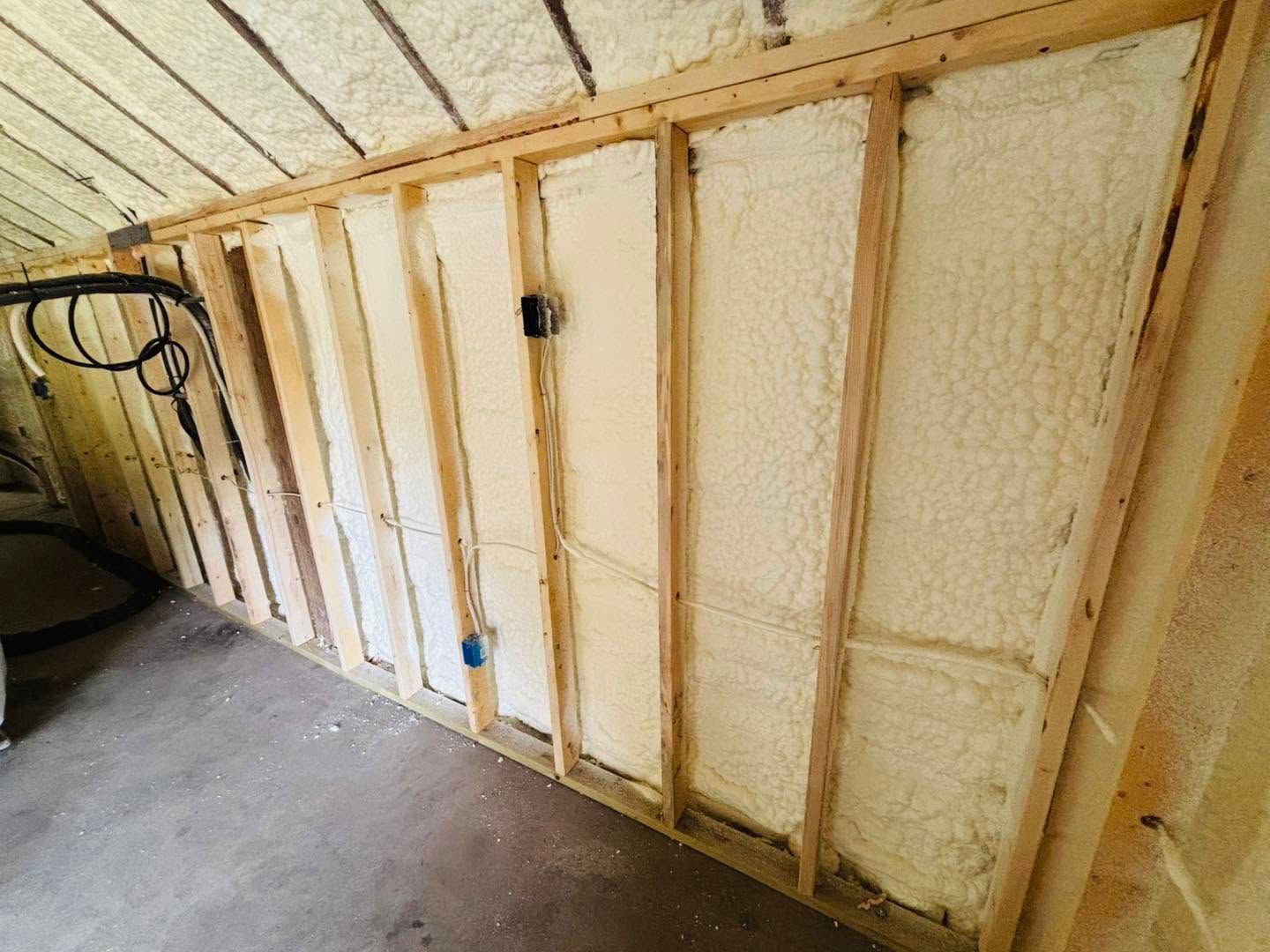
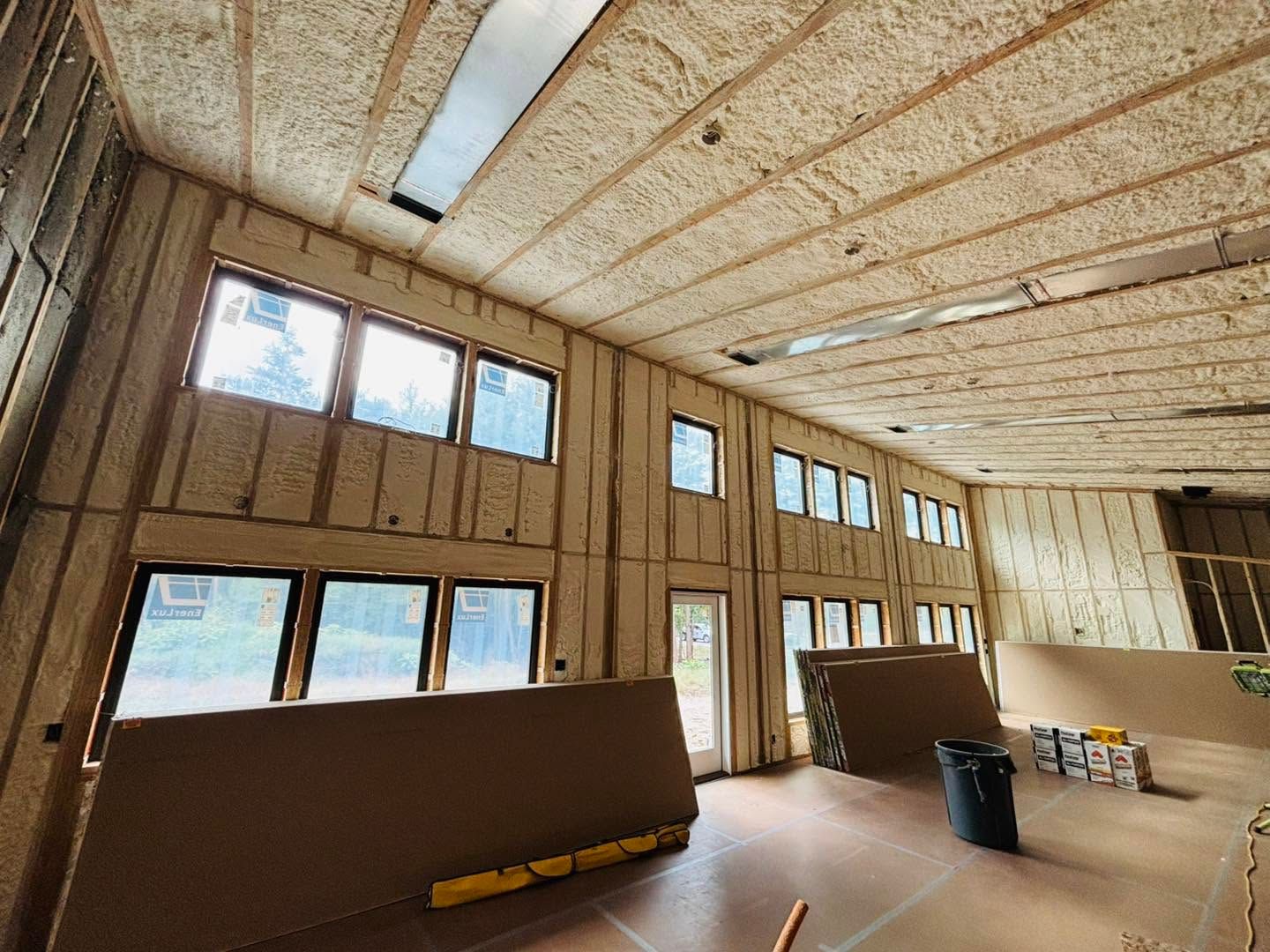
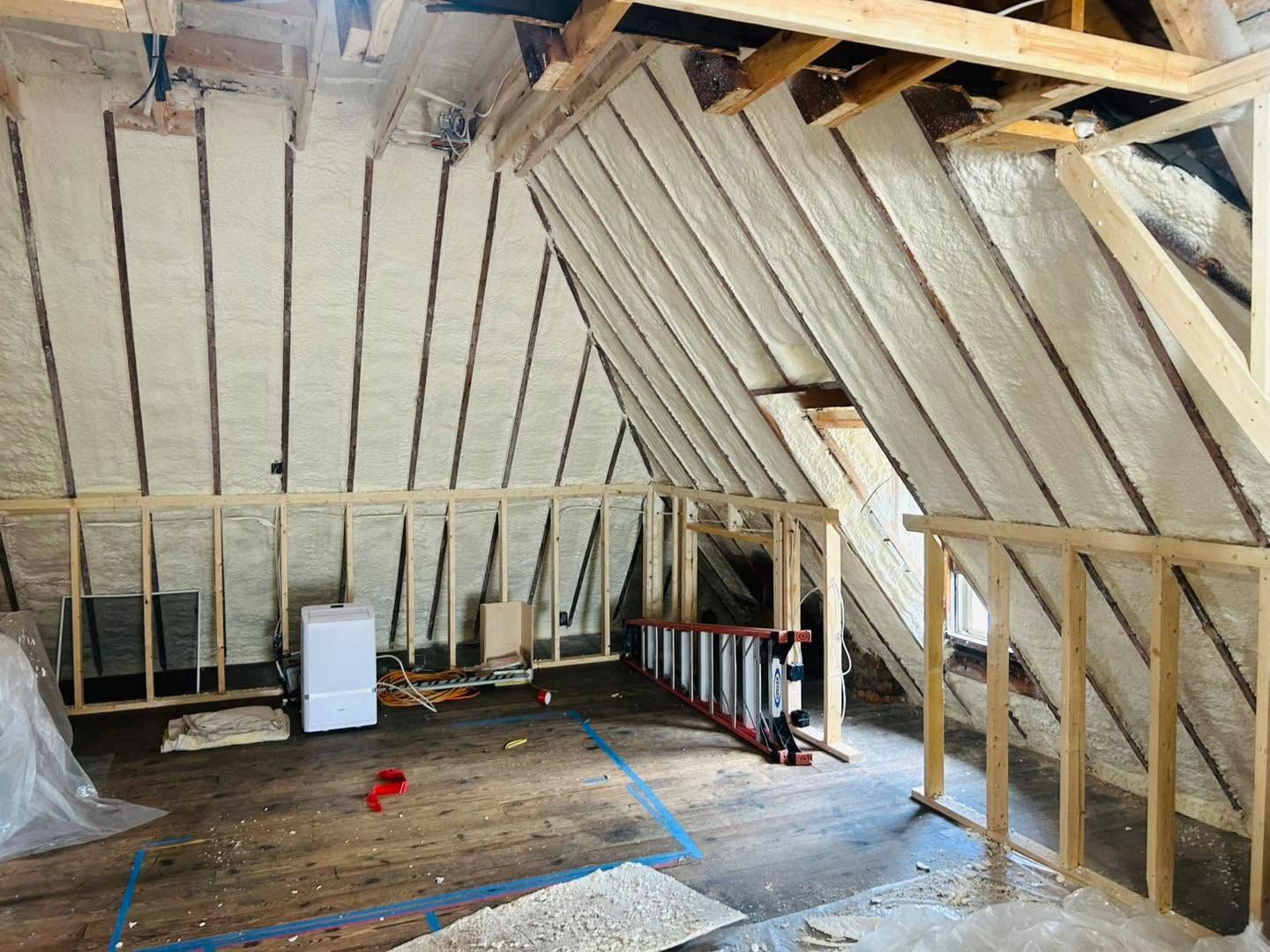
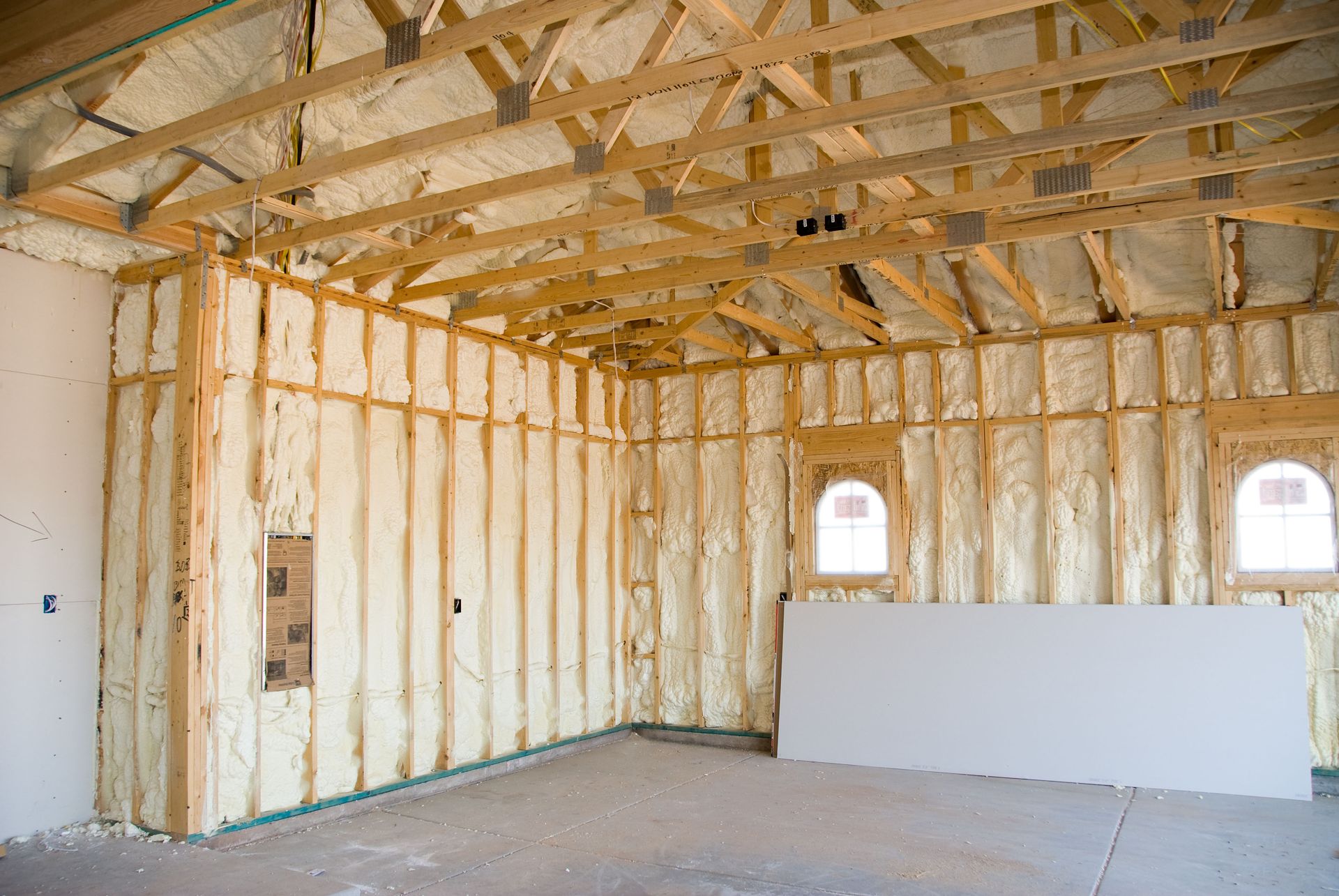
Spray foam insulation is one of the insulation services available for projects involving different areas of a property. Open-cell and closed-cell spray foam options can be discussed for new construction and retrofit projects. Spray foam can also be considered for areas such as attics, walls, ceilings, basements, and garages when appropriate for the project.
The Process of Insulation Installation
Preparing the Attic
Preparation can be part of an insulation project when existing material needs to be addressed before new insulation is installed. Insulation removal services can address old or damaged insulation in areas such as attics, walls, and crawl spaces. Air sealing can also be incorporated into attic insulation work when appropriate for the project.
Ensuring Safety Protocols
Insulation work requires careful handling and attention to the area being insulated. Different materials and installation methods can have different application requirements, so the selected approach should be appropriate for the project. Homeowners can discuss the planned installation with contractors before work begins.
Installing the Insulation Material
The installation method can vary according to the insulation material selected. Attic services can include blown-in insulation, spray foam, radiant barrier installation, and air sealing, while other areas may call for different applications. Properly identifying the area and selected material helps establish the scope of the installation.
The Evaluation of Cost and Financing Options
Breaking Down the Costs
Understanding the scope of an insulation project can help homeowners plan for the work. The material selected and the areas being insulated can influence the services involved in a project. Discussing the project requirements with contractors can help homeowners understand which insulation options and applications are relevant.
Available Financing Plans
Financing is not presented as a primary insulation service, so homeowners should focus on the scope and payment considerations that apply to their project. The available insulation services can vary according to the property and the area receiving work. Discussing project needs directly can help clarify the services being considered.
Incentives and Rebates
Homeowners may encounter outside incentives or rebates when researching insulation, but these programs are separate from the insulation services described here. Rather than assuming an incentive applies, homeowners can review the specific terms of any outside program they are considering. The insulation project itself can then be planned around the services and materials that fit the property.
The Process of Post-Installation Support and Maintenance
Warranty and Guarantee Policies
Warranty and guarantee policies should only be discussed when they are specifically provided by a contractor. They are not necessary to understand the insulation materials or installation services available for an attic project. Homeowners can instead focus on the project scope, selected material, and areas being insulated.
Routine Maintenance Tips
Homeowners can periodically pay attention to changes in comfort, drafts, or the condition of accessible insulation areas. Existing insulation that becomes old, damaged, or ineffective may eventually need to be removed and replaced. If insulation concerns arise, discussing the affected area with a contractor can help identify available services.
Signs of Potential Issues
Changes in indoor comfort, noticeable drafts, or areas that seem difficult to keep comfortable may prompt homeowners to take a closer look at their insulation. Existing insulation can also become old, damaged, or ineffective over time. When insulation needs to be replaced, professional removal and replacement services can address the existing material and prepare the area for new insulation.
When to Call for Professional Help
If homeowners notice persistent drafts or concerns with existing insulation, professional help may be appropriate. Available services include insulation installation, removal, replacement, and air sealing, along with insulation solutions for attics, walls, basements, crawl spaces, and garages. Discussing the affected area can help determine which available service may fit the project.
The Evaluation of Customer Reviews and Company Reputation
Importance of Customer Feedback
Customer feedback can provide useful context when homeowners evaluate attic insulation companies. Reviews may offer insight into communication, scheduling, installation work, and the overall project experience. Looking at multiple reviews can help homeowners consider different experiences before selecting a contractor.
Researching Company Backgrounds
Researching an insulation contractor can give homeowners additional context before starting a project. Factors such as the company's experience, service offerings, project types, and areas served can help homeowners determine whether its capabilities align with their insulation needs. Reviewing the available services can also clarify whether a company works with the type of property or insulation application being considered.
Quality Indicators in Reviews
Reviews may highlight details about communication, scheduling, installation work, and the overall customer experience. Homeowners can look for recurring comments about how projects were handled and whether the services matched the expectations described before work began. Reviewing those patterns can provide additional context when considering a contractor.
Identifying Red Flags
Reviews can also help homeowners identify recurring concerns. Comments about poor communication, unfinished work, or difficulty addressing project concerns may warrant additional consideration. Looking at recurring themes rather than relying on a single review can provide a more balanced view of the customer experience.
Choosing an attic insulation contractor involves considering the property's needs, available materials, and scope of service. Homeowners can explore options for installation, removal, replacement, and air sealing based on the areas requiring attention. Learn more about insulation solutions from Top Notch Insulating for residential and commercial properties.