October 30, 2026
Winter brings beautiful snowfalls, cozy evenings by the fireplace, and, for many homeowners, the dreaded spike in monthly utility expenses. As temperatures drop, your heating system works overtime to keep the indoor environment warm. However, if your home lacks the proper protective barriers, that expensive heat escapes through the roof, walls, and floors. You might notice inconsistent temperatures across different rooms, drafty hallways, or a furnace that constantly runs. The secret to slashing exorbitant winter energy bills does not lie in constantly adjusting your thermostat or piling on extra layers of clothing. Instead, the solution comes down to addressing structural weaknesses in your property's thermal envelope. By prioritizing high-quality insulation solutions, you can significantly reduce heat loss, minimize the workload on your HVAC system, and enjoy a comfortable home throughout the entire freezing season.
Assessing Your Current Home Thermal Barriers
Before you can effectively reduce your winter energy expenses, you must first evaluate the condition of your home's thermal boundaries. Many older homes, and even some new builds, suffer from inadequate protection against the bitter cold. According to the Insulation Institute, nearly 89% of single-family homes across the U.S. suffer from being under-insulated, a widespread flaw that dramatically decreases indoor comfort while simultaneously increasing your overall energy costs. When you evaluate your property, you might discover that previous homeowners neglected crucial areas. You might find gaps around windows, deteriorating materials in the walls, or bare sections in the upper levels of the house. Conducting a thorough evaluation helps pinpoint exactly where the heated air escapes and the freezing air infiltrates. Often, property owners discover their existing protective layers have settled, compressed, or suffered moisture damage over the years, rendering them virtually useless. Recognizing these deficiencies is the critical first step toward planning an effective upgrade.
Understanding the Hidden Causes of Heat Loss
Heat naturally moves from warmer areas to colder ones, meaning warm air constantly seeks an escape route outside. This natural thermodynamic process is the primary culprit behind sky-high utility bills. In most residential properties, the highest percentage of heat loss occurs through the top of the structure, making attic insulation incredibly important. However, lower levels also play a massive role in energy efficiency. Unprotected basements and crawlspaces allow freezing temperatures to seep into the floors above, forcing your heating system to work twice as hard. Furthermore, tiny gaps and cracks throughout the building envelope allow warm air to leak out. This phenomenon, known as the chimney effect, pulls cold air in from the lower levels to replace the escaping warm air at the top. By understanding these subtle mechanisms of heat transfer, you can better appreciate why creating a continuous, airtight seal around your living space is vital.
Exploring Professional Insulation Replacement Options
When your existing thermal barriers are degraded, damp, or simply inadequate, adding new material on top might not solve the core problem. In these situations, professional insulation removal is necessary to clear out the old, ineffective materials and prepare the space for a fresh start. Once the area is clean, property owners have several highly effective options for insulation replacement. For instance, blown-in insulation provides excellent coverage for irregularly shaped spaces and hard-to-reach corners. It settles nicely around pipes, wires, and framing, creating a dense layer of protection that significantly slows heat transfer. Another popular option is fiberglass insulation, which remains a cost-effective and reliable choice for many standard wall cavities and floor joists. Upgrading these essential components of your home not only stops drafts in their tracks but also creates a more consistent indoor climate. This allows you to turn down the thermostat without sacrificing personal comfort during the harshest winter months.
Choosing the Best Materials for Your Specific Property
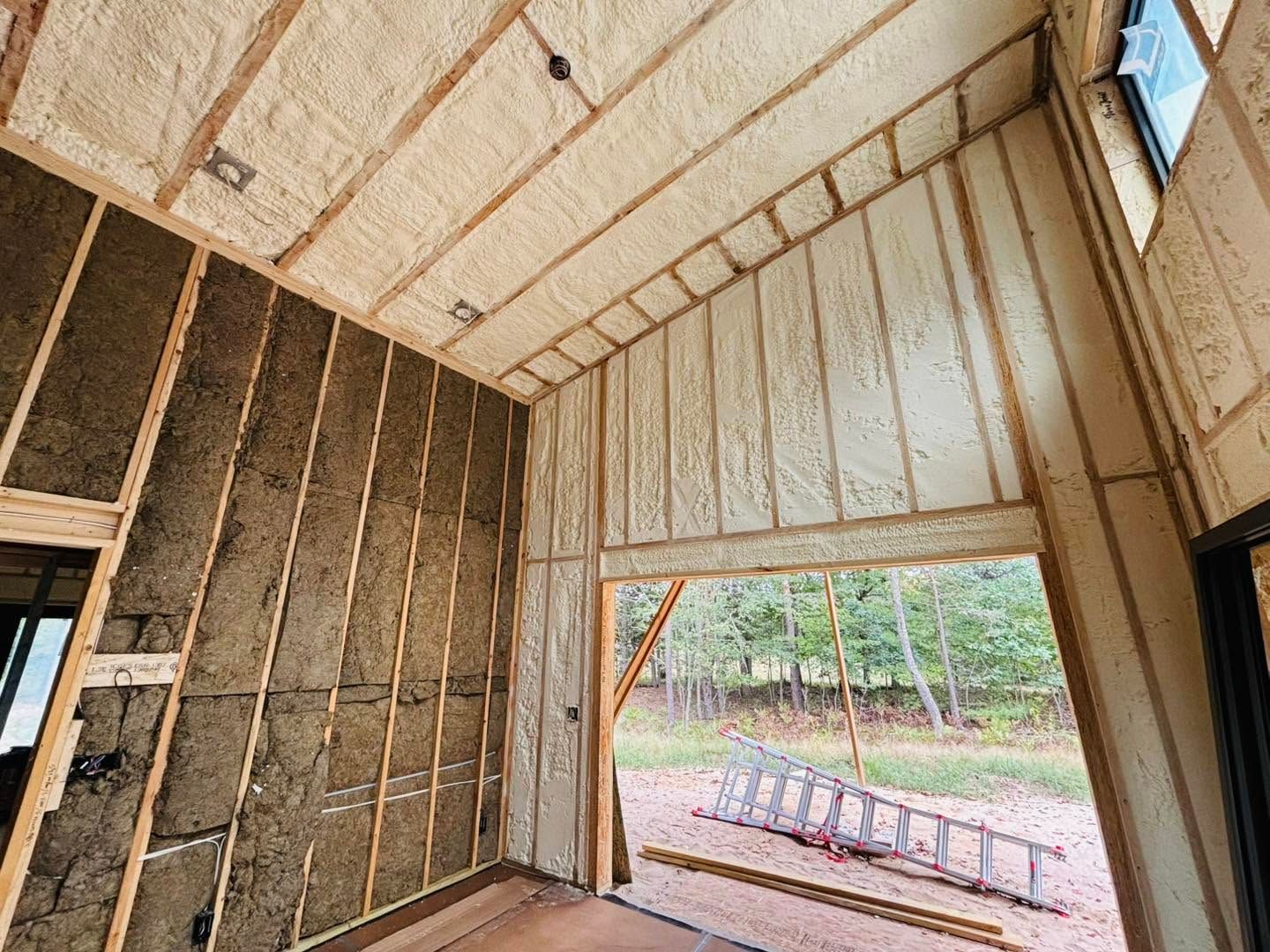
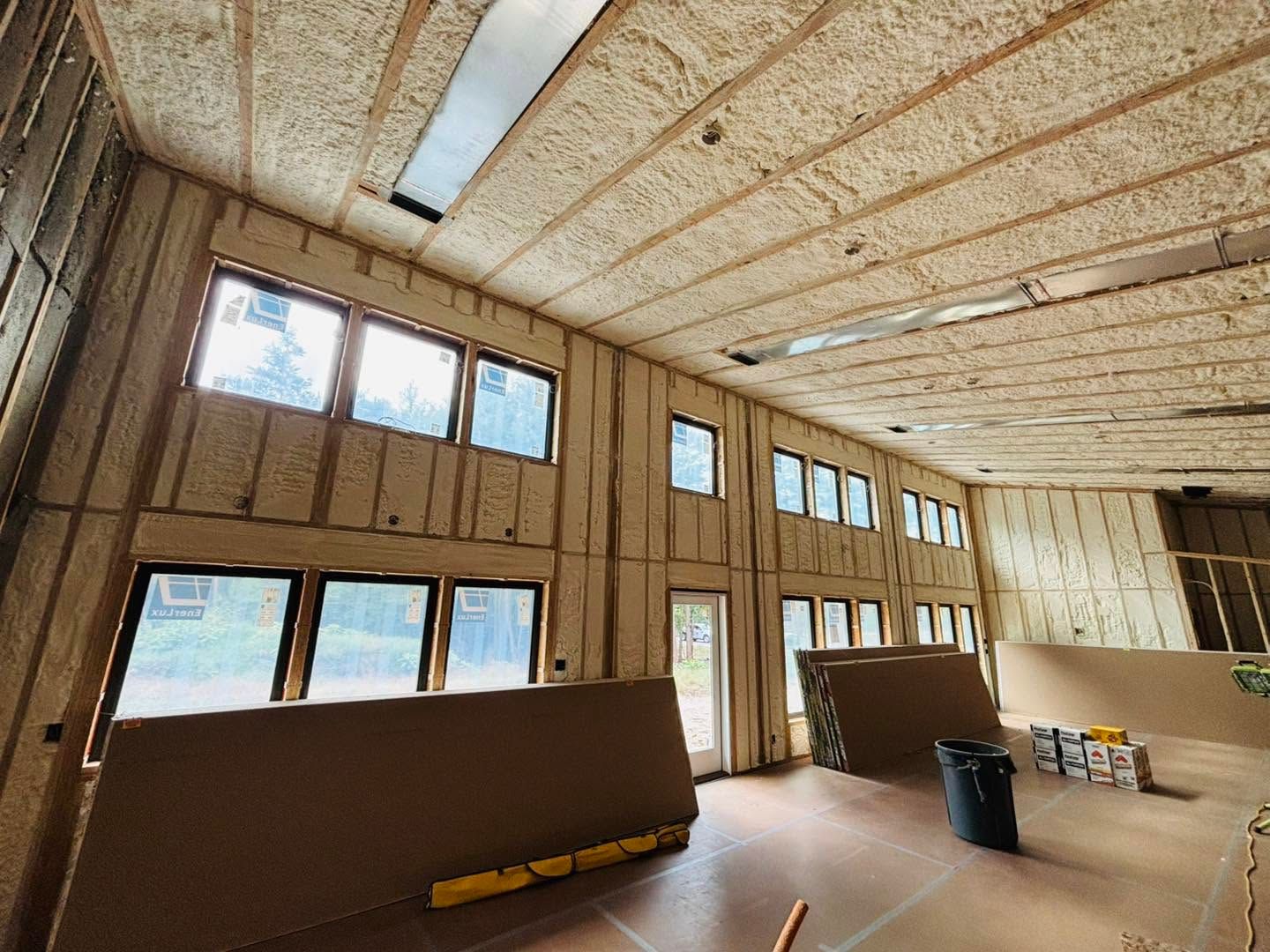
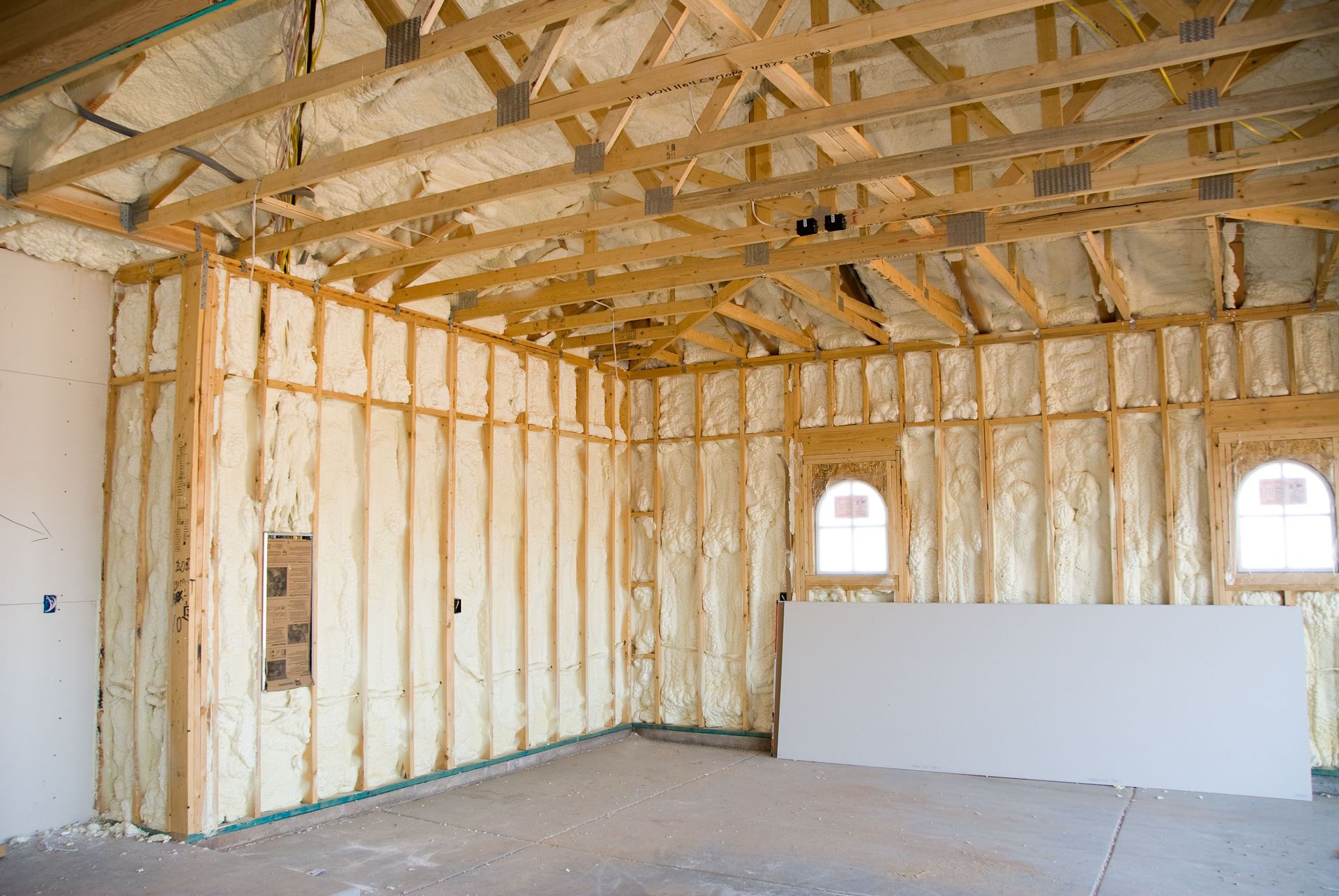
Every building has unique architectural features, moisture challenges, and thermal requirements, meaning there is no single solution that perfectly fits every scenario. However, one of the most versatile and powerful products available on the market today is spray foam insulation. Unlike traditional fiberglass batts that simply sit within wall cavities, spray foam insulation expands upon application to completely fill gaps, cracks, and crevices. This unique expanding property means that spray foam insulation provides both a high thermal resistance value and an impermeable air seal in a single application. By stopping air leakage entirely, spray foam insulation prevents the warm air your furnace generates from slipping through the tiny imperfections in your exterior walls. Whether you are dealing with a new construction project, a major renovation, or trying to fix a drafty older house, choosing the right material is vital. This ensures that your investment yields the maximum possible reduction in your monthly utility expenses over time.
Maximizing Efficiency in Vulnerable Areas Like Attics and Basements
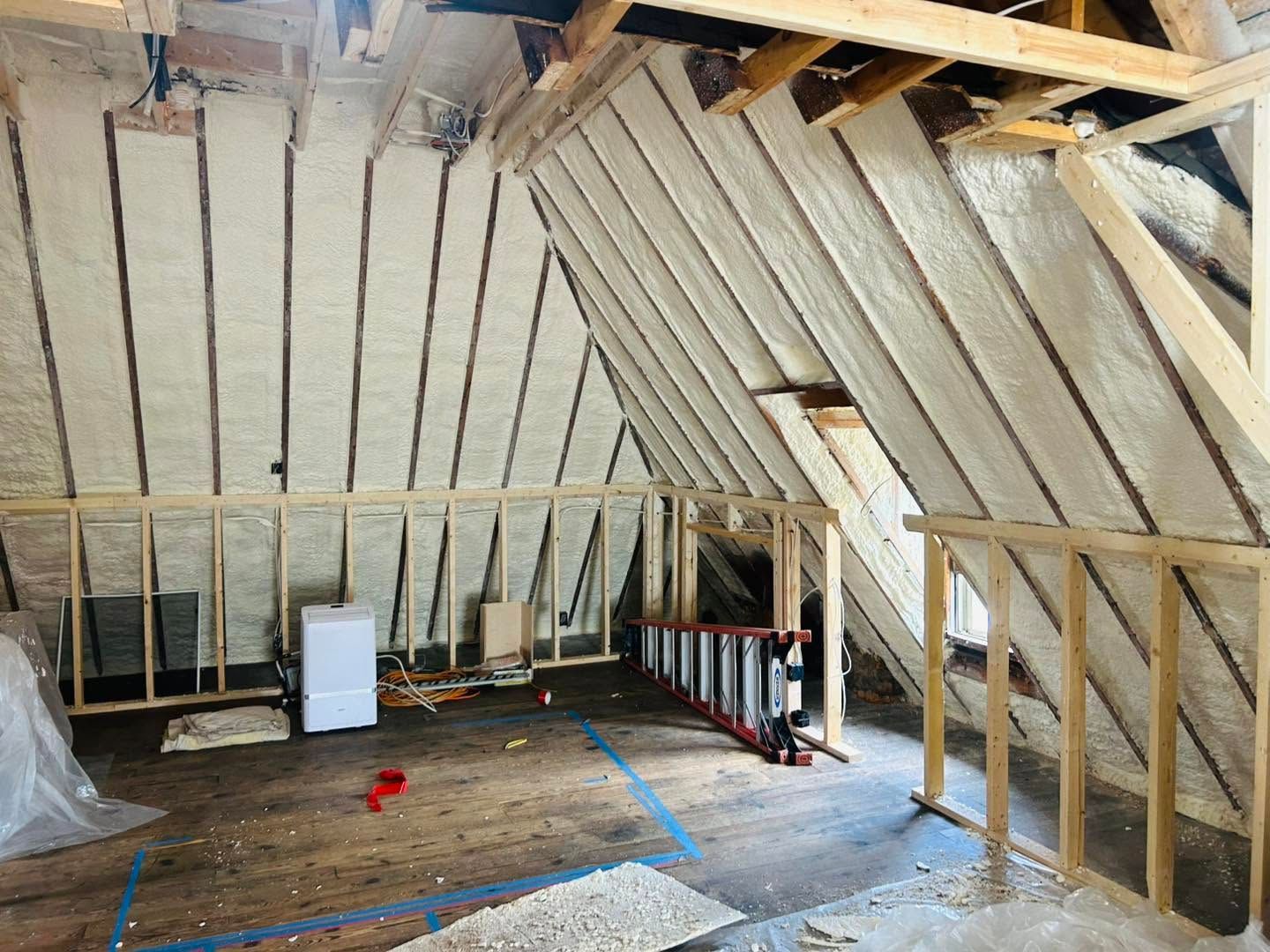
To slash your energy bills, you must target the vulnerable areas of your home. The uppermost and lowermost levels are notorious for undermining residential energy efficiency. If you use your lower level for storage, entertainment, or a workshop, proper basement insulation is essential to keep the cold earth from radiating freezing temperatures into your living space. Similarly, crawlspace insulation prevents freezing air from circulating directly beneath your main floors. Moving upward, the attic is a critical zone to address. Because hot air rises, a poorly protected attic allows your expensive heating to drift right out through the roof. Applying spray foam insulation along the roof deck can transform a drafty attic into a conditioned space, drastically cutting down on energy waste. Additionally, homeowners should consider pole barn insulation or garage insulation to protect stored items and create a buffer zone. This helps shield the main house from extreme winter weather.
Enjoying Long-Term Comfort and Lower Monthly Expenses
The initial step of upgrading your home's thermal barriers pays massive dividends long after the winter snow melts. When you upgrade with high-performance materials like spray foam insulation, you are making a permanent improvement to the structural integrity and energy profile of your property. The airtight seal provided by spray foam insulation not only blocks freezing winter drafts but also keeps scorching summer heat out. This ensures that your air conditioning system operates just as efficiently during the hotter months. Beyond temperature control, these upgrades often yield secondary benefits. For example, robust wall insulation can double as soundproofing insulation, dampening street noise and creating a more peaceful indoor environment. As the years go by, the money you save on monthly bills typically covers the cost of the initial installation. You gain unparalleled peace of mind knowing your home is operating efficiently while minimizing your overall environmental footprint and maximizing indoor comfort.
As the winter season tightens its icy grip, you do not have to accept astronomical heating bills as an unavoidable fact of life. Taking proactive measures to reinforce your property's thermal envelope is the most effective strategy for keeping the cold out and the heat in. By evaluating your current setup and making targeted improvements, you can transform a drafty, uncomfortable house into a highly efficient, cozy sanctuary. From sealing hidden air leaks in the basement to installing premium spray foam insulation in the uppermost levels of your property, every step you take brings you closer to massive monthly savings. Ultimately, upgrading your protective barriers is a smart financial decision that enhances the livability and value of your residential or commercial space for decades to come. When you are ready to permanently lower your utility costs and maximize your indoor comfort, reach out to the experienced professionals at Top Notch Insulating.