September 25, 2026
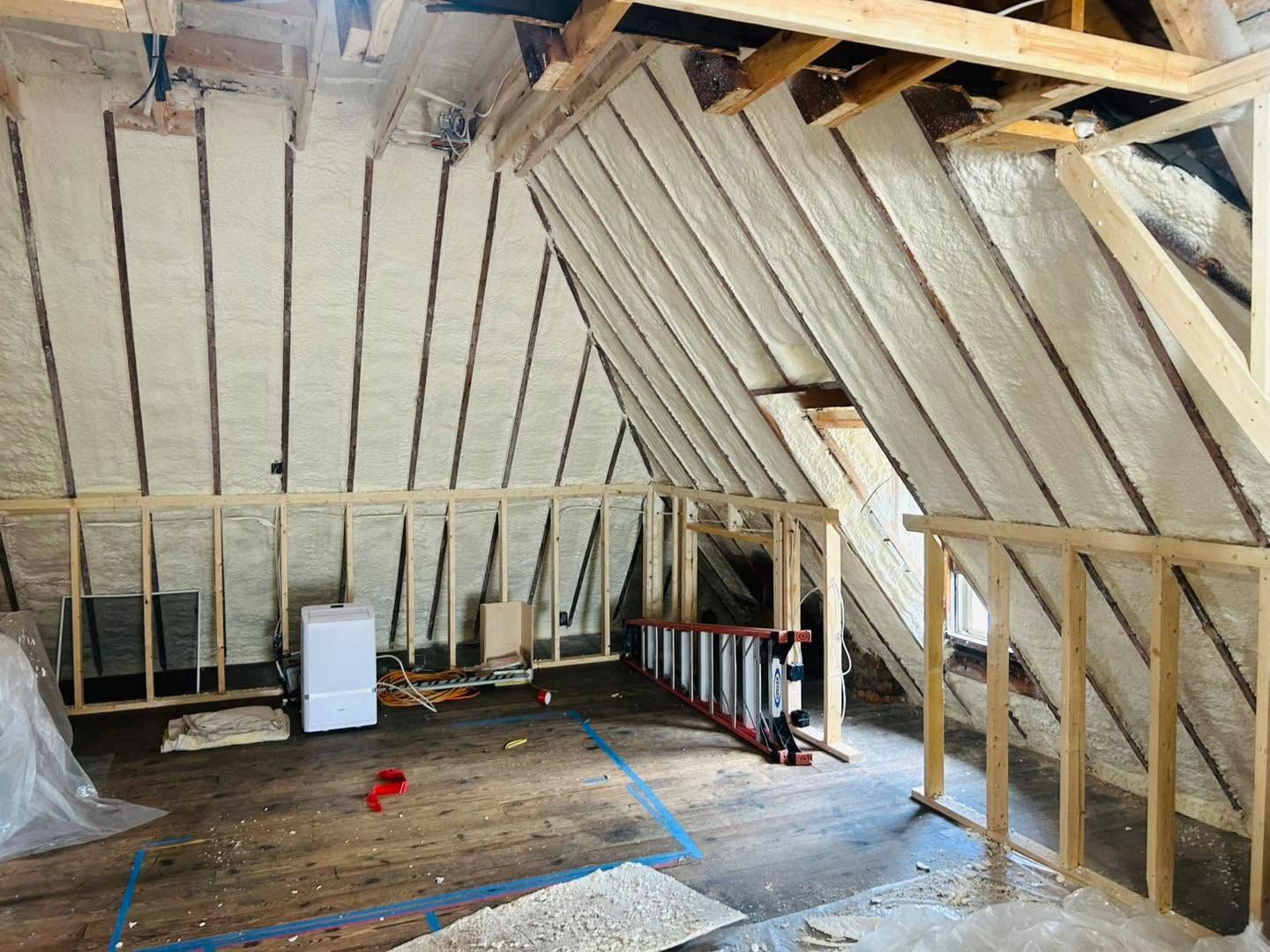
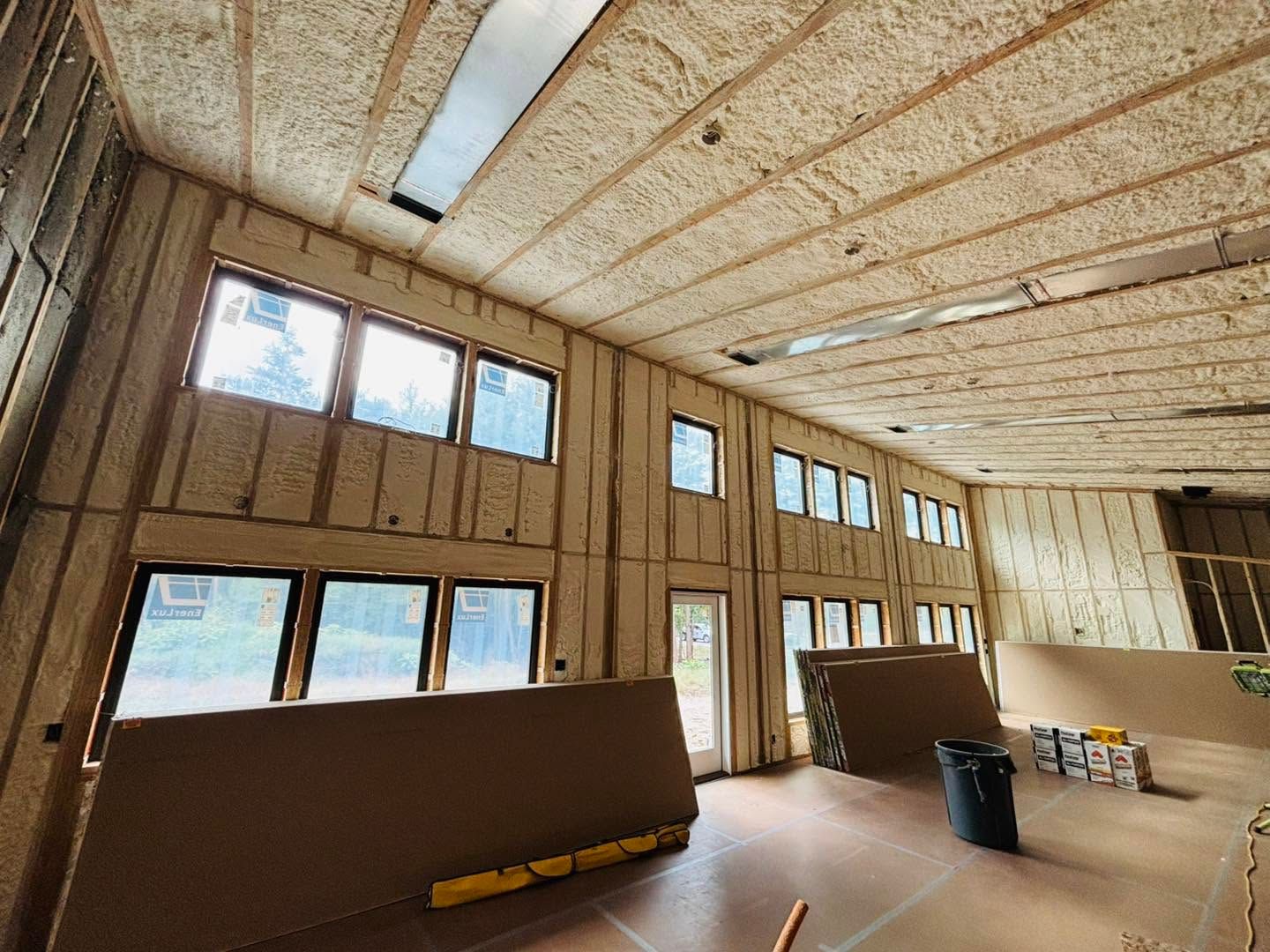
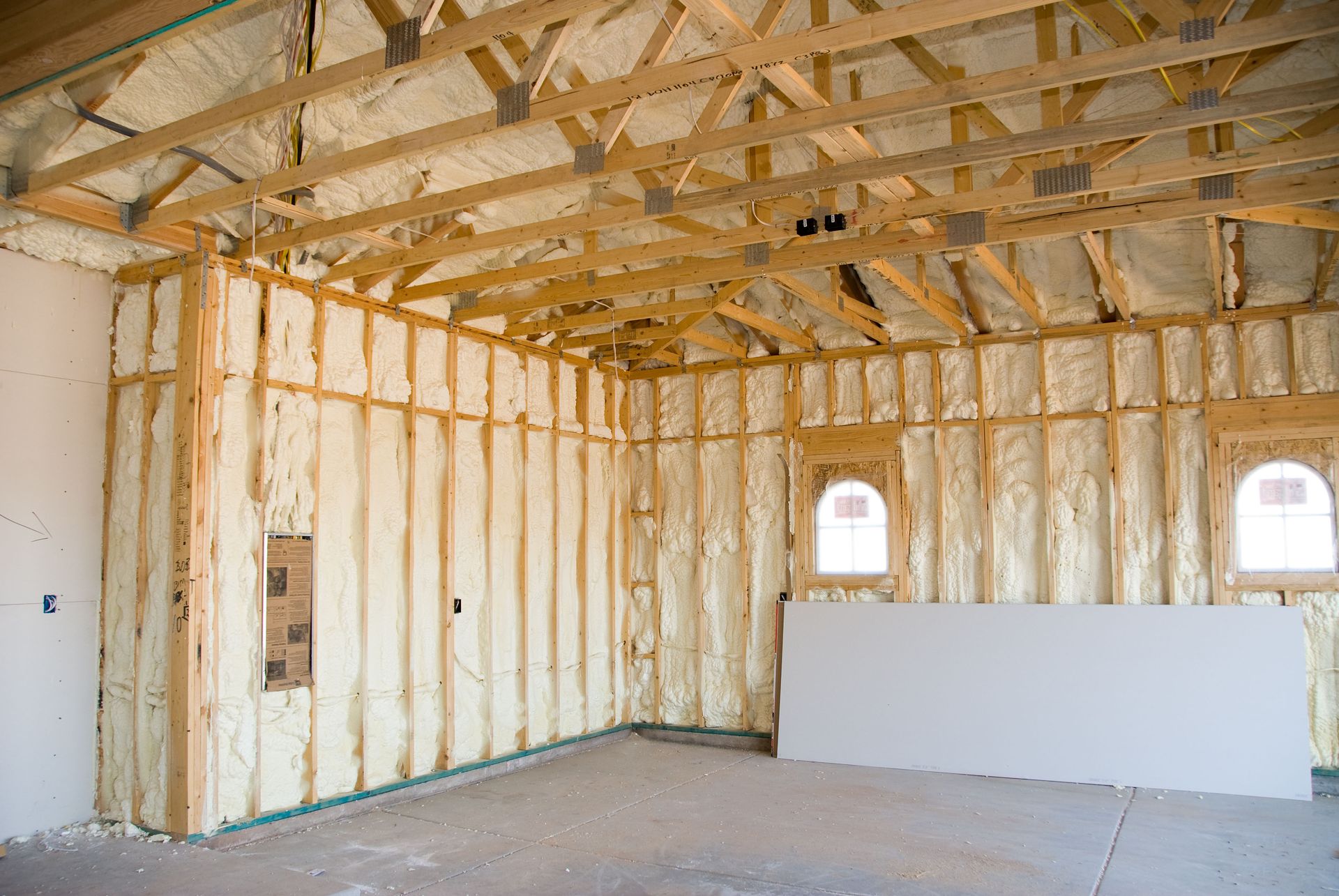
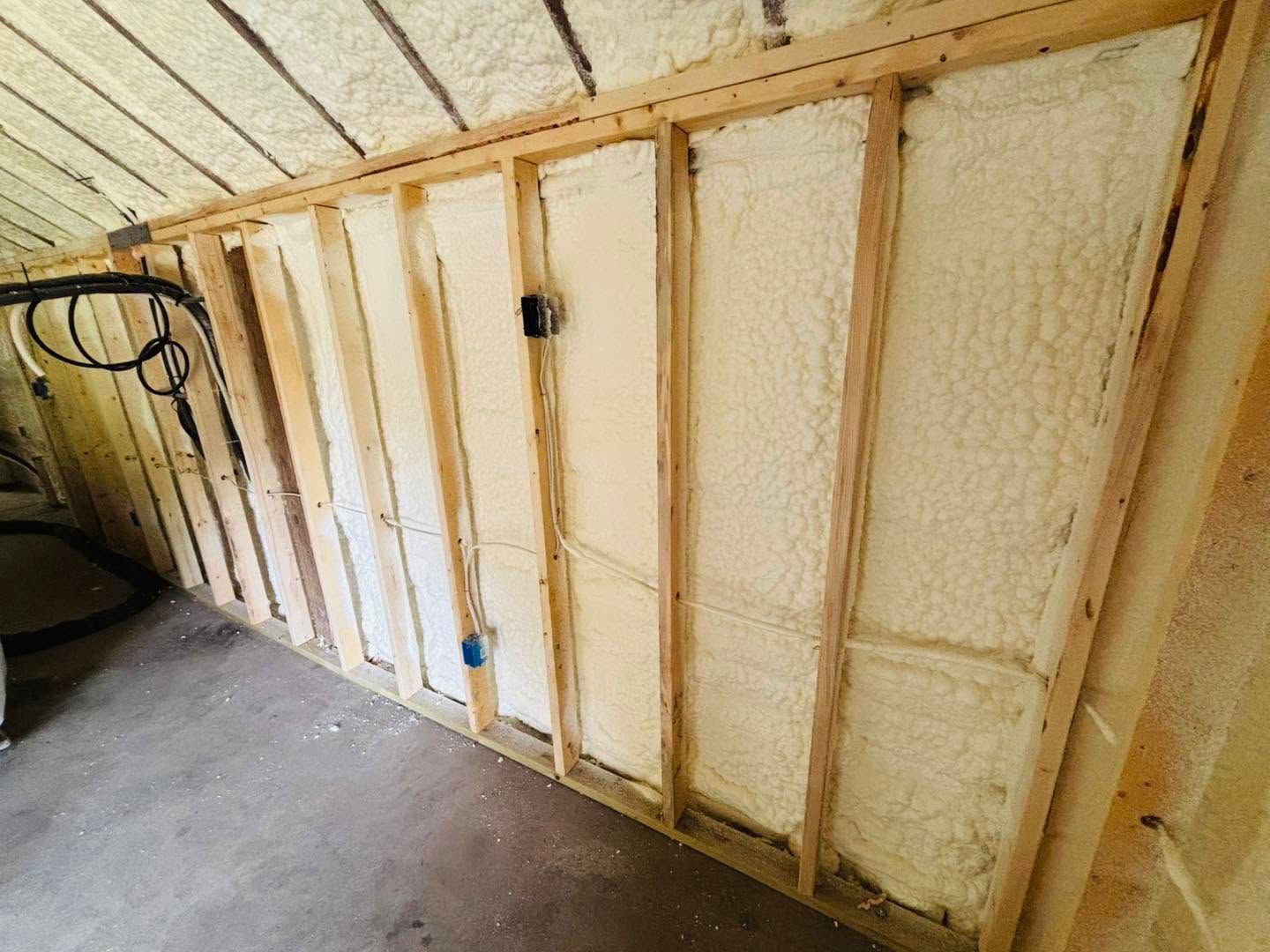
Spray foam insulations has garnered increasing attention as a modern alternative to traditional insulation methods like fiberglass and cellulose. Their versatility and effectiveness in sealing leaks have positioned them as a superior choice for many applications. Choosing modern spray foam insulations helps property owners achieve consistent thermal performance and optimal air sealing throughout the entire structure. In this article, we will delve into the lesser-known advantages of using these advanced materials, exploring their benefits across various environments and how they contribute to building efficiency and longevity.
Enhanced Energy Efficiency
Heat Retention and Reduction
One of the primary advantages of spray foam insulations is its exceptional ability to retain heat in cold climates and reduce heat intrusion in warmer environments. By expanding to fill gaps and creating an airtight seal, spray foam minimizes heat loss through walls, ceilings, and floors. This results in a more stable indoor temperature, reducing the workload on heating systems during winter months. In summer, it serves as a formidable barrier against heat entering the building, ensuring that cooling systems operate more efficiently. The comprehensive sealing provided by high-performance spray foam insulations leads to significant energy savings over time, underscoring their role in enhancing energy efficiency.
Cooling Cost Savings
Applying spray foam insulations not only reduces heating costs but also significantly impacts cooling expenses. By establishing a robust thermal barrier, these products limit heat transfer into the home during hot weather, easing the demand on air conditioning systems. This reduction in cooling load translates to lower energy bills, which can lead to substantial savings over the lifespan of the insulation. Additionally, the material's capacity to maintain cooler temperatures prevents overworking HVAC equipment, reducing wear and prolonging its operational life. For property owners looking to maximize comfort while minimizing energy expenditure, spray foam emerges as an ideal solution.
Sealing Air Leaks
A critical factor in energy efficiency is the ability to prevent air leakage, which can lead to energy wastage and fluctuating indoor climates. Quality spray foam insulations excel in this domain due to their expansive properties, effectively sealing cracks and crevices that might otherwise allow air infiltration. According to This Old House, whole-house insulation can be achieved using a two-component spray foam that mixes at the nozzle to create a highly expansive, adhesive barrier between studs, joists, and rafters. By preventing unwanted air exchanges, spray foam helps maintain a consistent indoor environment, enhancing both comfort and energy efficiency. Its ability to seal the building envelope is a definitive advantage over other insulation types.
Compatibility with Renewable Energy Sources
Integration with renewable energy sources is a growing concern for environmentally conscious property owners. Modern spray foam insulations support this by complementing solar panels and other energy-efficient installations. Their ability to reduce overall energy demands means that less renewable energy is required to power a building, making these systems more effective. Moreover, the insulation's efficiency aids in getting the most out of renewable technologies, driving down utility costs and maximizing return on investment. Thus, for homeowners aiming to reduce their carbon footprint, spray foam insulation is an invaluable ally.
Impact on HVAC System Longevity
With the substantial reduction in heat gain and loss provided by spray foam insulations, HVAC systems experience less strain and operational demand. This not only leads to lower energy consumption but also contributes to extending the life of heating and cooling equipment. Systems experience fewer cycles, reducing wear on components and decreasing the likelihood of breakdowns. Over time, this also translates to fewer maintenance needs and repair costs. Consequently, investing in professional spray foam insulations can lead to significant financial savings by prolonging the lifespan and effectiveness of HVAC systems.
Superior Moisture Barrier
Prevention of Mold Growth
A major concern in many buildings, especially in humid climates, is the potential for mold growth, which can have serious health and structural implications. Premium spray foam insulations provide a powerful defense against moisture intrusion, diminishing conditions conducive to mold proliferation. By creating a moisture-resistant barrier, they prevent water accumulation and condensation within wall cavities and other vulnerable areas. As a result, spray foam plays a crucial role in maintaining healthier indoor environments. By safeguarding against mold, it enhances both the air quality and the well-being of occupants.
Protection Against Structural Damage
Moisture penetration can lead to significant structural damage over time, undermining the integrity of a building. Spray foam acts as a preventive measure by sealing off entry points for water, thus protecting structural elements from the effects of prolonged exposure to moisture. This protection extends the longevity of the building materials and reduces maintenance and repair costs associated with water damage. Moreover, the integrity of the insulation remains stable over time, providing continued protection. Investing in versatile spray foam insulations is akin to protecting one's property against the test of time and the elements.
Enhancing Indoor Air Quality
Indoor air quality is a crucial component of overall health and well-being, and spray foam insulation can significantly enhance it. By preventing the infiltration of moisture and the growth of mold, spray foam contributes to a cleaner and healthier indoor environment. This reduction in mold spores and other airborne contaminants improves respiratory health for occupants. Additionally, the seal provided by spray foam reduces the intrusion of outdoor pollutants, further purifying indoor air. Consequently, for those seeking to improve their living environment's air quality, spray foam insulation offers a dual advantage of efficiency and health preservation.
Acoustic Insulation and Noise Reduction
Reducing External Noise
In addition to thermal advantages, spray foam insulation offers significant acoustic benefits by dampening external noises. Its dense and compact structure prevents sound waves from penetrating interior spaces, creating a quieter indoor environment. This is especially beneficial for properties located near busy streets or noisy neighborhoods. By reducing noise pollution, spray foam enhances the tranquility and comfort of indoor environments. A quieter home contributes to enhanced concentration, relaxation, and overall quality of life for its occupants.
Improving Indoor Acoustics
Spray foam insulation is not just efficient at blocking external noise; it also plays a role in enhancing indoor acoustics. Its ability to prevent echoes and reverberations facilitates a more pleasant auditory environment within the home. This makes it an ideal choice for interior spaces dedicated to media consumption, music, or conversation. By ensuring sound clarity and reducing acoustic discrepancies, spray foam adds value to entertainment and living spaces alike. This dual role of noise reduction and acoustic refinement makes it a compelling insulation choice.
Durable Performance Over Time
Longevity is a critical factor when investing in building materials, and spray foam insulation delivers durable acoustic performance. Unlike other materials that may degrade or settle over time, spray foam maintains its integrity and soundproofing benefits throughout its lifespan. Its stability ensures consistent acoustic protection, making it a reliable choice for long-term construction investments. With sustained performance, spray foam continues to provide value years after installation. This reliability and endurance make it a preferred option for builders seeking lasting quality in acoustic insulation.
From energy efficiency to environmental sustainability, spray foam insulations offer a broad spectrum of benefits that extend far beyond conventional expectations. Their ability to enhance comfort, protect structures, and promote a healthier living environment positions them as an indispensable asset in modern construction. As building technologies and environmental standards evolve, choosing spray foam insulations stands out as a strategic investment with enduring returns. By embracing these advantages, property owners and developers can take decisive steps toward more efficient, sustainable, and valuable buildings. Ultimately, investing in spray foam insulations is not just a material choice—it is a commitment to long-term performance and peace of mind. Call Top Notch Insulating today to learn more.