June 30, 2026
A well-insulated home is one of the most important factors in maintaining indoor comfort, improving energy efficiency, and controlling utility costs. Whether a homeowner is dealing with drafty rooms, uneven temperatures, or rising energy bills, proper insulation can make a significant difference. While some insulation projects may appear straightforward, achieving the best results often requires the expertise of professional insulation companies.
Professional insulation companies offer more than simply installing materials inside walls and attics. They provide assessments, recommendations, installation services, and ongoing support that help homeowners maximize the performance of their homes. Understanding what these companies do and what to expect during the process can help homeowners make informed decisions when investing in insulation upgrades.
What Services Do Insulation Companies Provide?
Professional insulation companies offer a variety of services designed to improve a home's energy efficiency and overall comfort. Their work typically begins with a comprehensive evaluation of the property to identify areas where energy loss is occurring.
Many insulation companies perform energy assessments that help determine where insulation levels may be inadequate. During these evaluations, technicians inspect attics, crawl spaces, walls, basements, and other areas where conditioned air may escape. This process allows them to identify opportunities for improvement and recommend suitable insulation solutions.
Installation is one of the primary services provided by insulation companies. Depending on the home's needs, professionals may install insulation in attics, walls, floors, garages, basements, or crawl spaces. They ensure that the materials are applied correctly and meet recommended performance standards.
In addition to installation, many insulation companies offer insulation removal and replacement services. Older insulation can become damaged by moisture, pests, or age-related deterioration. Removing compromised materials and replacing them with modern products can improve both efficiency and indoor air quality.
How to Choose the Right Insulation Company?
Selecting the right contractor is a critical step in achieving successful insulation results. Not all insulation companies provide the same level of expertise, service quality, or customer support.
Homeowners should begin by researching companies with established experience in residential insulation projects. A proven track record often indicates familiarity with various insulation systems and building structures. Companies with extensive experience are generally better equipped to address unique challenges and recommend effective solutions.
Customer reviews can offer valuable insight into a company's performance. Reading testimonials and online feedback may reveal information about communication, workmanship, punctuality, and customer satisfaction. Positive reviews from previous clients often indicate a reliable service provider.
Obtaining multiple estimates is another important step. While cost should not be the sole deciding factor, comparing proposals helps homeowners understand pricing differences and service offerings. The most affordable quote is not always the best value if it lacks comprehensive services or quality materials.
Communication is equally important. Professional insulation companies should clearly explain project timelines, material options, warranties, and expected outcomes. Contractors who take time to answer questions and provide detailed information often deliver a smoother overall experience.
What Types of Insulation Materials Are Used?
One of the reasons homeowners rely on professional insulation companies is their knowledge of various insulation materials. Different products offer unique advantages, and selecting the right one depends on factors such as climate, budget, and application area.
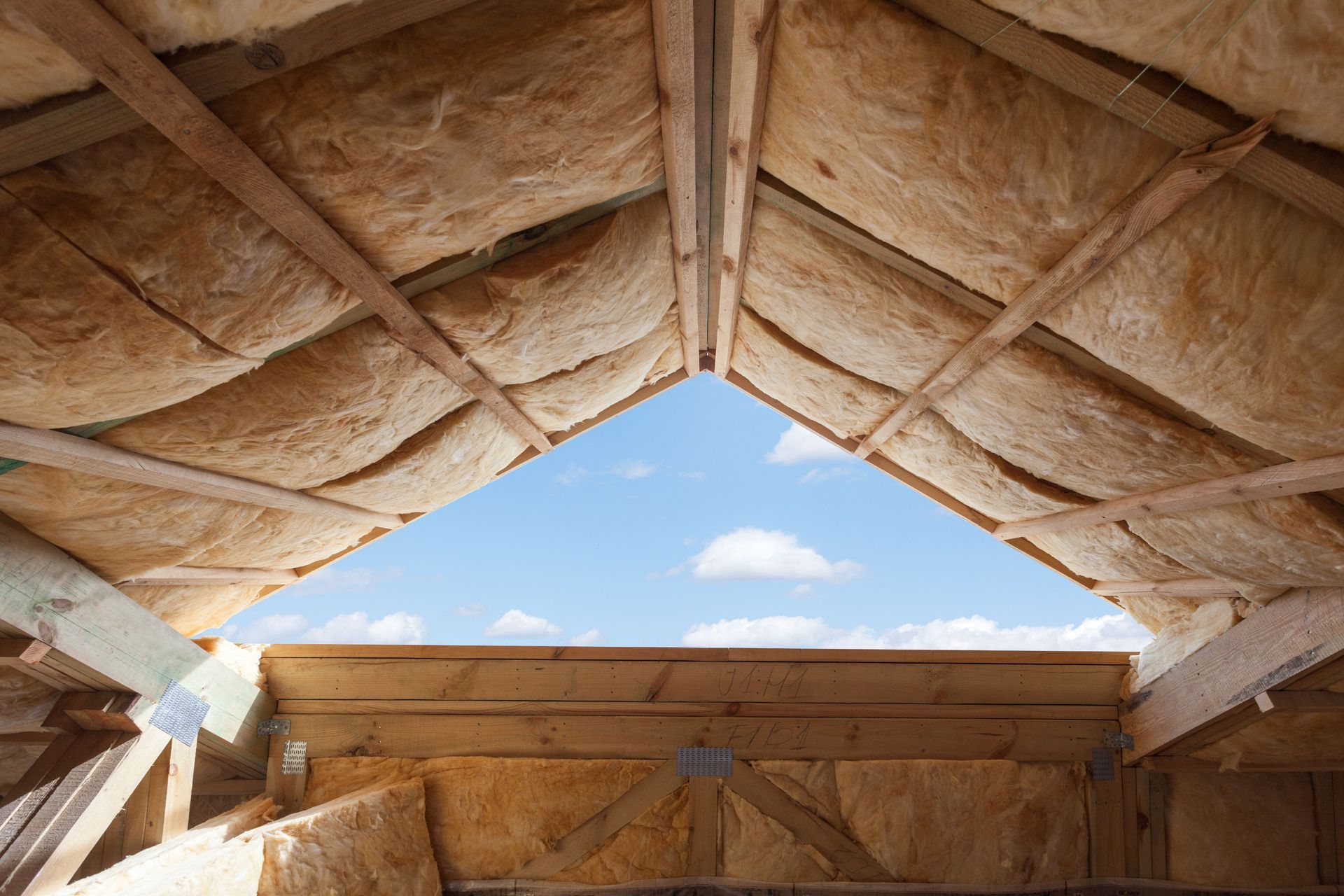
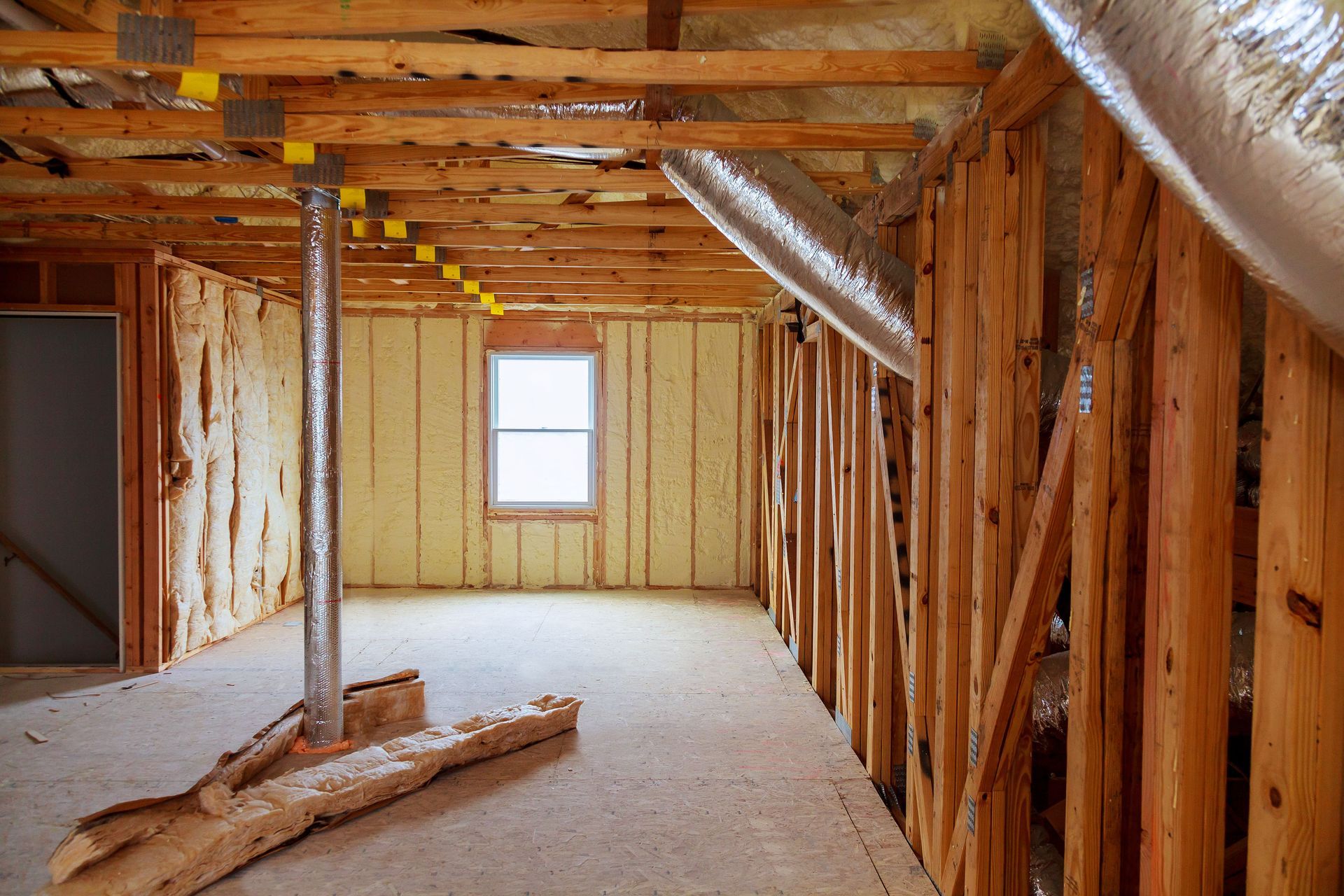
Fiberglass insulation remains one of the most widely used options. Available in batts, rolls, and loose-fill forms, fiberglass provides reliable thermal resistance and affordability. It is commonly installed in attics, walls, and floors and offers a cost-effective solution for many residential properties.
Cellulose insulation is another popular choice. Made primarily from recycled paper products treated for fire resistance, cellulose is often used in existing homes where additional insulation is needed. Its dense composition can help reduce air movement and improve energy performance.
Foam board insulation consists of rigid panels that provide high insulating value while occupying relatively little space. These boards are frequently installed in basements, foundations, and exterior wall systems. They can help reduce thermal bridging and contribute to consistent indoor temperatures.
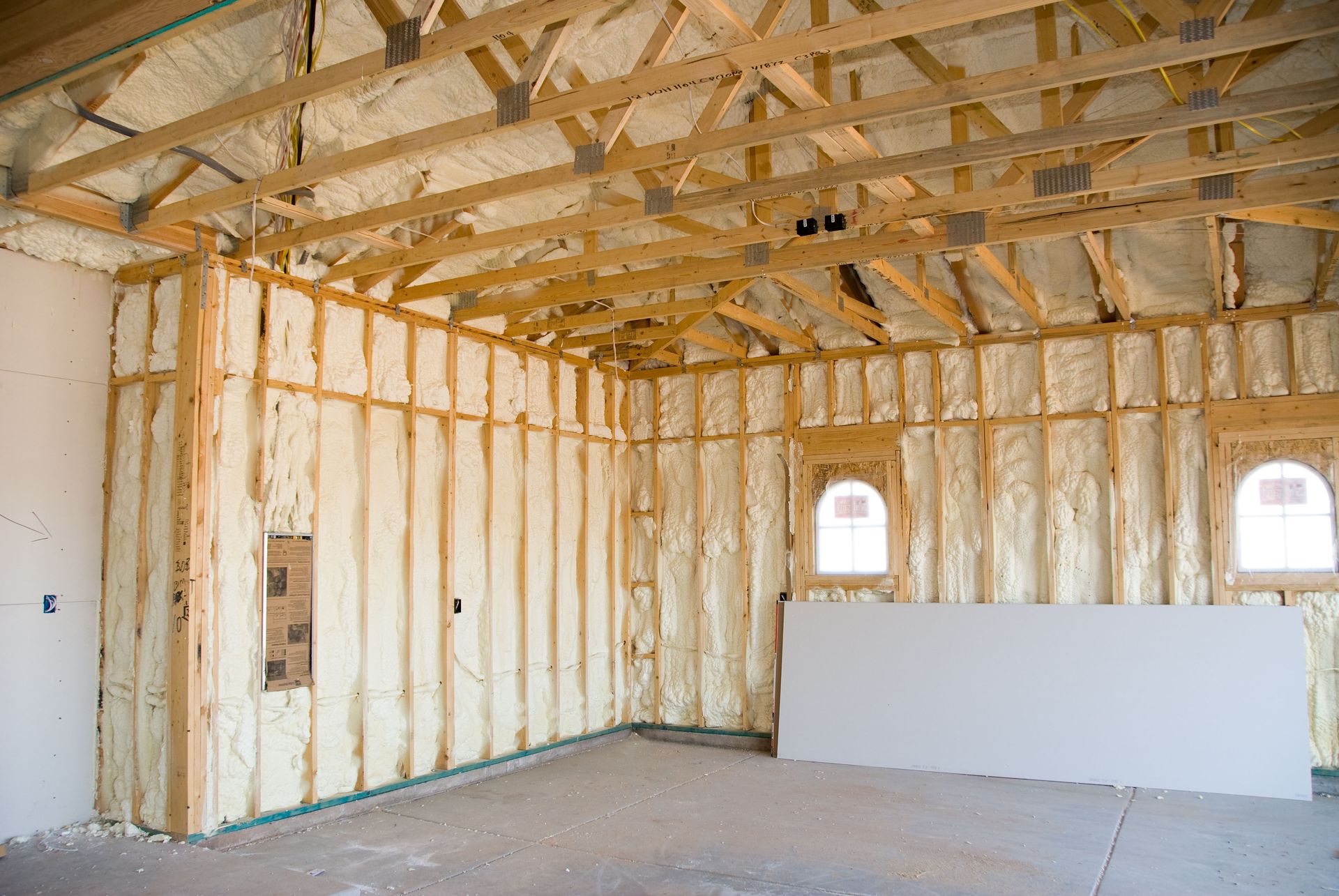
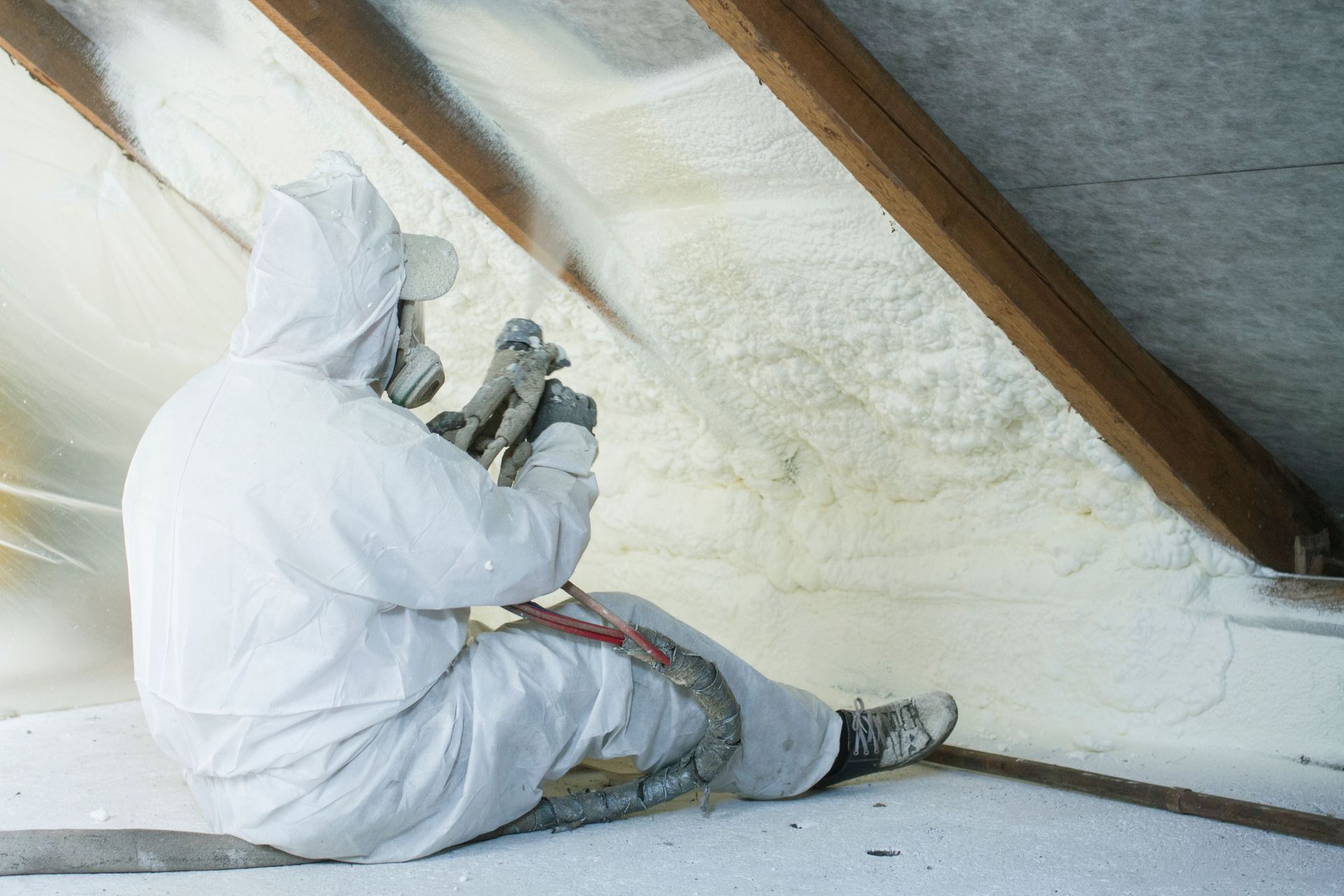
Spray foam insulation has become increasingly popular due to its ability to expand and seal gaps. Many insulation companies recommend spray foam for areas where air leakage is a concern. By creating an effective air barrier, spray foam can improve energy efficiency and help prevent moisture intrusion.
Mineral wool insulation is another option used in some applications. Known for its fire resistance and sound-dampening qualities, mineral wool can provide both thermal and acoustic benefits. Professional contractors evaluate each property's needs before recommending the most suitable material.
How Does Insulation Benefit Homeowners?
The advantages of proper insulation extend far beyond energy savings. Homeowners who work with experienced insulation companies often experience improvements in comfort, efficiency, and long-term property value.
One of the most noticeable benefits is reduced energy consumption. Insulation helps maintain consistent indoor temperatures by slowing heat transfer between the interior and exterior of the home. As a result, heating and cooling systems do not need to work as hard, which can lower monthly utility expenses.
Improved comfort is another major advantage. Rooms that were previously too hot during the summer or too cold during the winter often become more comfortable after insulation upgrades. Consistent temperatures throughout the home contribute to a more enjoyable living environment.
Insulation can also support better indoor air quality. By reducing air infiltration, properly installed insulation may help limit the entry of outdoor pollutants, dust, and allergens. Many homeowners appreciate the cleaner and healthier indoor environment that can result from these improvements.
Environmental benefits are another consideration. Homes that consume less energy generally produce fewer greenhouse gas emissions. By investing in insulation, homeowners can reduce their environmental footprint while supporting energy conservation efforts.
Additionally, quality insulation may contribute to increased property value. Prospective buyers often appreciate energy-efficient features that can reduce operating costs. Homes with updated insulation may be viewed as more attractive in competitive real estate markets.
What Is the Expected Cost and Time Frame for Insulation Projects?
Cost and project duration are among the most common concerns homeowners have when considering insulation improvements. While every project is unique, several factors influence both pricing and timelines.
The size of the home plays a significant role in determining overall costs. Larger homes require more materials and labor, resulting in higher project expenses. The type of insulation selected also impacts pricing, as some materials cost more than others due to their performance characteristics and installation requirements.
According to HomeGuide, insulation costs typically range from $1.00 to $4.50 per square foot installed, depending on the insulation type, material, R-value, and area being insulated. This broad range reflects the variety of products and applications available to homeowners.
Additional factors that can affect costs include accessibility, existing insulation conditions, and whether insulation removal is necessary. Homes with difficult-to-reach areas or damaged insulation may require additional labor, which can increase project expenses.
The project timeline varies based on the scope of work. Smaller attic insulation projects may be completed in a single day, while larger whole-home upgrades could take several days. Professional insulation companies generally provide estimated schedules before work begins so homeowners know what to expect.
Preparation and cleanup are also part of the process. Reputable insulation companies take steps to protect the home during installation and remove debris once the project is complete. This attention to detail contributes to a positive customer experience and minimizes disruption to daily life.
Professional insulation companies play an important role in helping homeowners improve comfort, energy efficiency, and long-term property performance. From conducting energy assessments and recommending materials to completing installations and replacements, these professionals provide services that support lasting results.
Understanding the services available, evaluating contractors carefully, and learning about insulation materials can help homeowners make informed decisions. Whether choosing fiberglass, cellulose, foam board, or spray foam, working with experienced
insulation companies helps ensure that insulation is installed correctly and performs as intended.
The benefits of improved insulation often include lower energy bills, enhanced indoor comfort, better air quality, and reduced environmental impact. While costs and project timelines vary, many homeowners find that partnering with professional insulation companies is a worthwhile investment that delivers value for years to come. If you're looking for quality insulation, reach out to the team at Top Notch Insulating today!