May 5, 2026
In today's world, energy efficiency has become a crucial part of sustainable living. A significant portion of energy waste in homes is due to poor insulation. This article will explore various strategies for improving home insulation to reduce energy consumption, lower utility bills, and enhance comfort. By examining the basics of home insulation and evaluating your current needs, you can make informed decisions about enhancements. We will also discuss options for DIY projects and professional installations, as well as how to maintain insulation over time.
Understanding the Basics of Home Insulation
What is Home Insulation?
Home insulation is the material used in the building envelope to slow down heat flow, keeping warm air inside during the winter and outside in the summer. Effective insulation helps maintain a consistent indoor temperature. This is essential for energy efficiency and comfort. By preventing heat exchange, insulation reduces the amount of work your heating and cooling systems need to do. As a result, it extends their lifespan and helps reduce utility costs.
Types of Insulation Materials
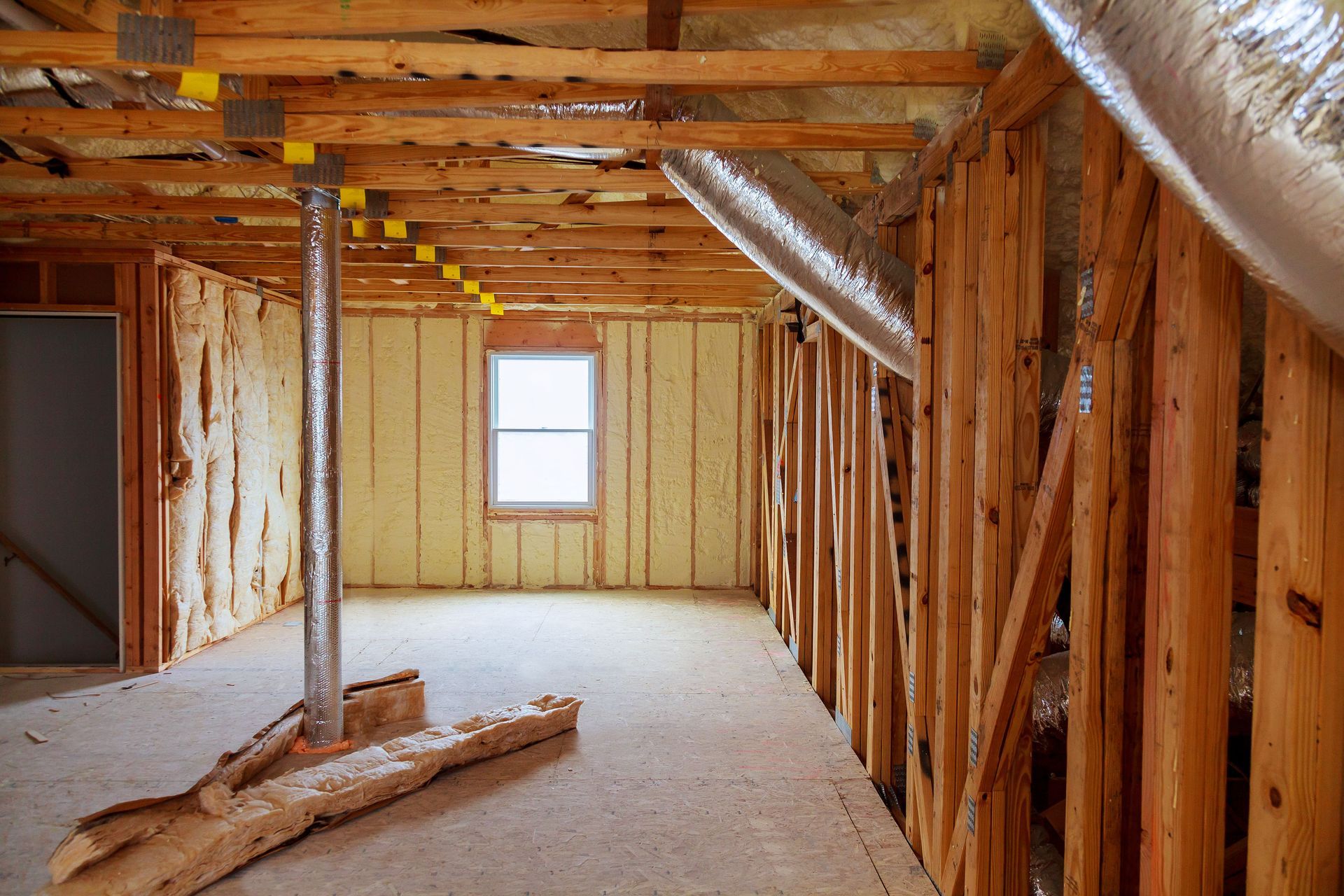
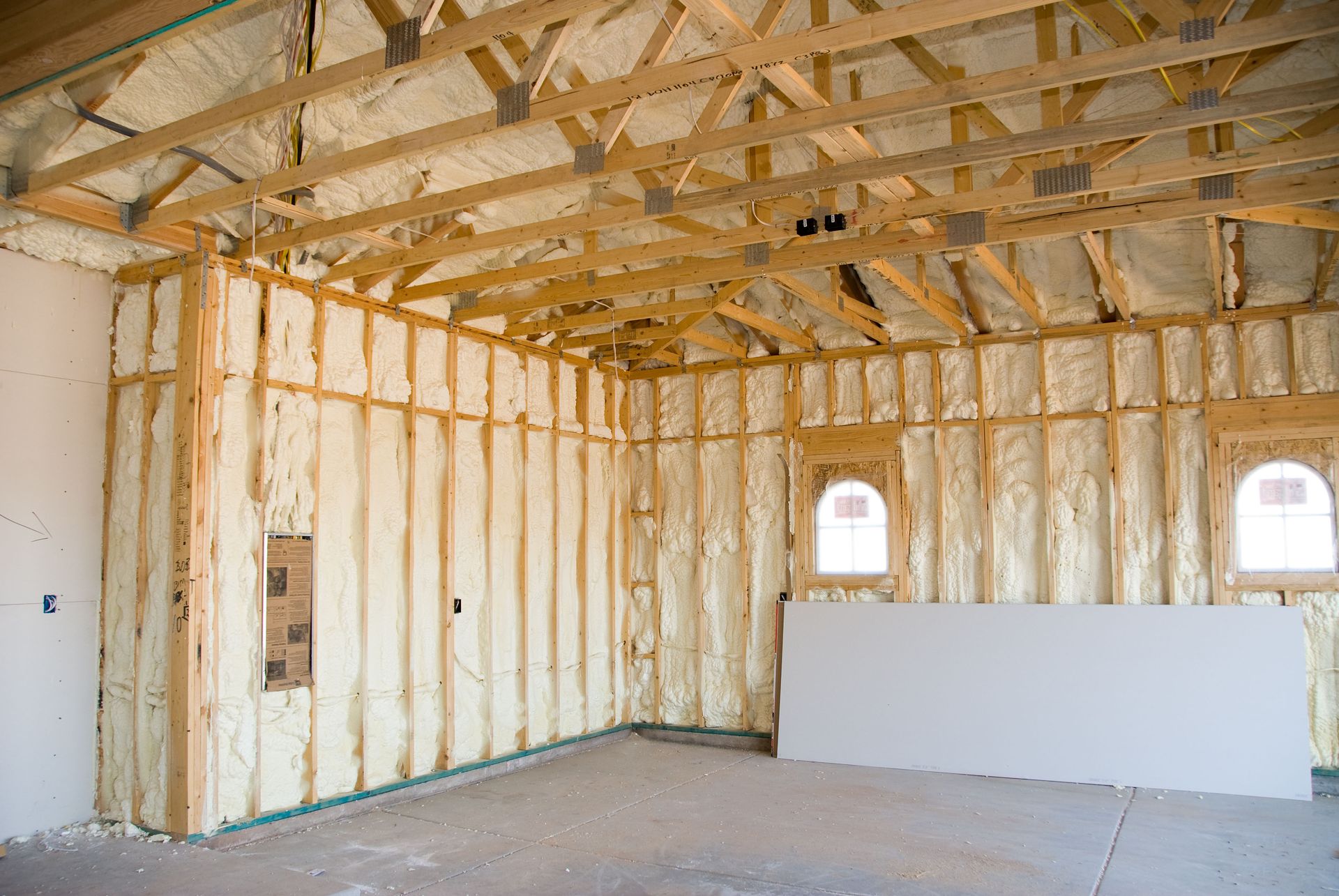
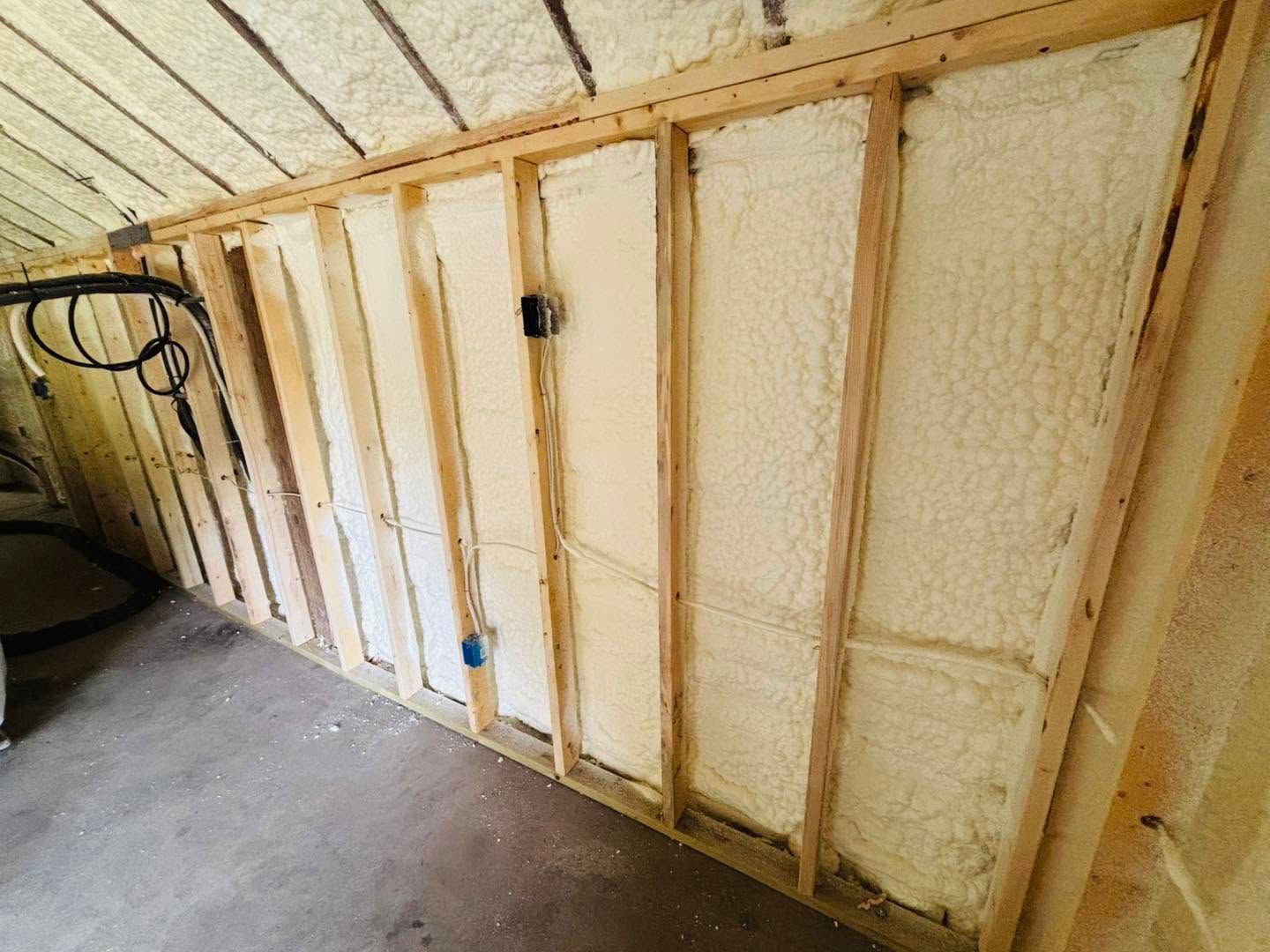
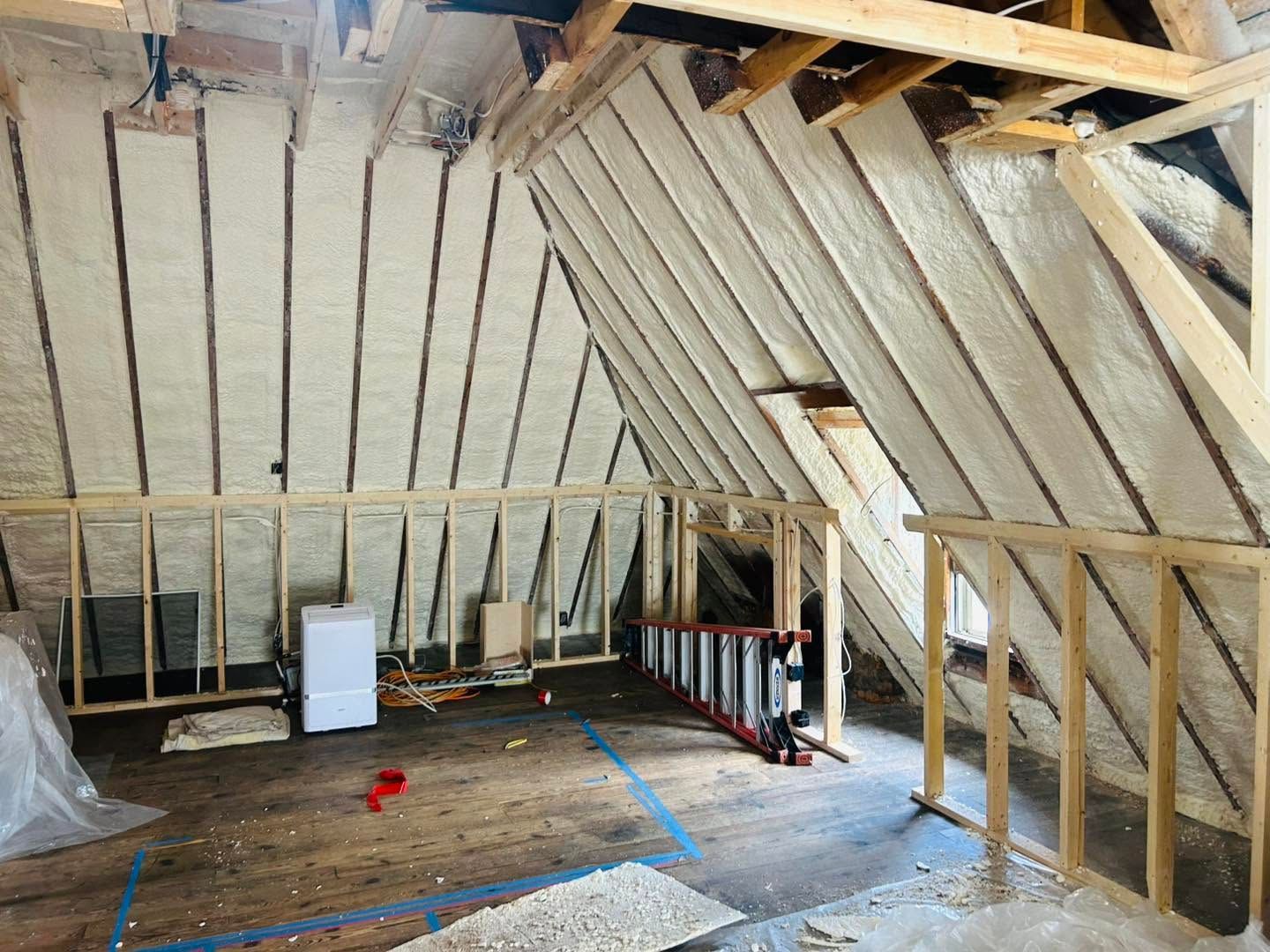
There are several types of insulation materials available, each with its own advantages and uses. Fiberglass is one of the most common materials due to its affordability; it's made of tiny glass fibers and can be used in various forms, such as batts and blown-in insulation. Foam insulation, including types like spray foam and rigid foam, provides excellent air sealing and insulates harder-to-reach areas. Lastly, cellulose insulation, which is made from recycled paper products, is another option that provides good thermal performance. Understanding the strengths and weaknesses of each material can help in selecting the right one for your needs.
Benefits of Proper Insulation
Proper insulation enhances a home’s interior comfort by maintaining steady temperatures and reducing drafts. This also leads to significant energy and cost savings. According to Sealed.com, effective insulation can save up to 15% on heating and cooling costs. Furthermore, the environmental impact is reduced because less energy is required. Over time, investing in good insulation pays back through utility bill savings.
Identifying Insulation Needs in Your Home
Before upgrading insulation, it's crucial to assess your home’s current insulation needs. This involves checking for drafts and areas where the home feels colder or warmer than it should. Often attics, walls, and basements are significant sources of heat loss. A thorough inspection will help identify where insulation could significantly improve energy efficiency. These observations can guide you in choosing where to focus your insulation efforts first.
Common Insulation Mistakes to Avoid
One common mistake is not sealing air leaks before adding insulation, as air leaks can undermine your efforts. Additionally, inadequate installation can lead to gaps and compressions, which reduce effectiveness. Choosing the wrong type of insulation for a specific area is another potential error. It's essential to follow specifications and use proper techniques to avoid these pitfalls. Understanding these common mistakes helps in achieving the best possible insulation outcomes.
Evaluating Your Current Insulation
Conducting an Energy Audit
An energy audit is a systematic approach to evaluate your home’s current energy use. It helps identify the areas that need improvements. Professional auditors use specialized equipment to pinpoint sources of energy loss. Alternatively, homeowners can conduct a basic audit themselves by carefully checking for drafts and other signs of inefficiency. Understanding where energy is wasted is the first step in reducing it.
Identifying Areas of Heat Loss
Common areas of heat loss include attics, walls, windows, and doors. Heat naturally moves towards colder areas, and without proper barriers, it escapes from these weak points. Identifying these areas often requires a combination of visual inspections and empirical measurements like using thermal cameras. In many cases, the areas around windows and roof spaces are prime targets. By correctly identifying these areas, you can target insulation efforts more effectively.
Tools for Measuring Insulation Effectiveness
Tools such as thermal imaging cameras can help visualize areas that are losing heat. Blower door tests measure the air tightness of the home to find leaks. Infrared thermometers provide surface temperatures to detect under-insulated areas. These tools can offer precise readings and are helpful for both professionals and homeowners. Understanding your home’s insulation levels helps in making data-driven improvement decisions.
Understanding R-Values and Their Importance
R-values measure an insulation material’s ability to resist heat flow, with higher values indicating greater effectiveness. Different areas of a home require different R-values depending on factors like climate and space conditions. An understanding of R-values allows homeowners to choose the best type of insulation for each area. Proper insulation matching can significantly improve the home’s energy efficiency. Ensuring that your insulation meets or exceeds recommended R-values can help save money and energy over time.
Consulting with Insulation Professionals
While DIY efforts can significantly improve a home's insulation, consulting professionals guarantees better results. Experts provide specialized insight and are up-to-date with industry standards. They can conduct thorough energy audits and make specific recommendations based on the latest technology. Professional consultations offer peace of mind, ensuring that insulation work adheres to best practices. Moreover, they can help in choosing materials that perfectly fit your home’s unique needs.
Choosing the Right Insulation Materials
Comparing Fiberglass, Foam, and Cellulose Insulation
Fiberglass insulation is affordable and widely used, suitable for typical applications like attics and walls. Foam insulation, while more expensive, offers superior air sealing properties and works well in spaces with intricate structures. Cellulose insulation stands out for its environmental friendliness as it's derived from recycled paper. Each type brings a unique set of benefits, fitting different needs and budgets. Considering aspects such as durability, cost, and installation requirements is essential when selecting the right material.
Environmental Impact of Insulation Choices
The environmental footprint of insulation materials is an increasingly important consideration. Materials like cellulose are preferable for those aiming to reduce ecological impact due to their use of recycled content. Foam insulation, although effective, can involve chemicals that are less environmentally friendly. Choosing sustainable materials contributes not only to personal energy savings but also to broader ecological protection. Balancing performance with environmental concerns can make a substantial difference in reducing a home's carbon footprint.
Cost vs. Long-term Savings
While the initial cost is always a concern, long-term savings often justify the investment in high-quality insulation. Spending more at the outset often means significant savings on energy bills over time. According to Sealed.com, proper insulation can save homeowners up to 15% on heating and cooling costs. These savings accumulate, making insulation a financially sound decision in the long run. Calculating potential long-term savings along with upfront costs provides a clearer picture of the actual investment return.
Insulation for Different Climates
The effectiveness of insulation varies significantly with the local climate. Cold climates require high R-values to minimize heat loss, whereas warm climates benefit more from reflective insulation that minimizes heat gain. Understanding the thermal demands of your area guides you in choosing appropriate insulation types. Pay attention to local building codes, as they provide guidelines tailored to climate needs. A climate-specific approach to insulation maximizes efficiency and comfort.
Improving your home's insulation is a smart investment for both financial savings and environmental impact. By understanding the basics of insulation, evaluating needs, choosing the right materials, and deciding between DIY and professional installation, homeowners can significantly enhance their energy efficiency. Regular maintenance and adjustments ensure that your home remains well-insulated, comfortable, and energy-efficient for years to come. Investing in insulation pays dividends in reduced energy bills, increased comfort, and a positive environmental contribution. Prioritizing insulation improvements establishes a sustainable living arrangement that benefits all. Be sure to reach out to Top Notch Insulating today for more information on our professional spray foam insulation!