March 30, 2026
In recent years, spray foam insulation has become one of the most talked-about advancements in building efficiency and home performance. As homeowners and commercial property owners seek better ways to manage energy consumption and indoor comfort, this modern insulation method has steadily risen in popularity. Unlike traditional materials such as fiberglass or cellulose, spray foam insulation provides a more comprehensive solution by sealing gaps, reducing air leakage, and improving overall structural integrity.
The growing emphasis on sustainability and energy efficiency has also contributed to the widespread adoption of spray foam insulation. Builders and contractors are increasingly recommending this option for both new construction and renovation projects. With its ability to deliver superior thermal resistance and long-term performance, spray foam insulations are becoming a preferred choice in modern insulation strategies.
What Are the Benefits of Using Spray Foam Insulations?
One of the primary reasons for the surge in demand for spray foam insulation is the wide range of benefits they offer. First and foremost, they provide exceptional energy efficiency. By expanding to fill cracks and crevices, spray foam creates an airtight seal that minimizes heat transfer. This helps maintain consistent indoor temperatures and reduces the strain on heating and cooling systems.
Another key advantage is moisture control. Spray foam insulation acts as a barrier against water infiltration, helping to prevent mold growth and structural damage. This is particularly important in areas prone to humidity or fluctuating weather conditions. By keeping moisture out, spray foam contributes to a healthier indoor environment.
Durability is also a standout feature. Unlike traditional insulation materials that can sag or degrade over time, spray foam insulations maintain their shape and effectiveness for many years. This longevity makes them a cost-effective investment in the long run.
Additionally, spray foam insulation improves indoor air quality by reducing the infiltration of outdoor pollutants, allergens, and dust. For households with allergies or respiratory concerns, this can make a noticeable difference in daily comfort. Combined with soundproofing benefits, spray foam creates a quieter and more pleasant living or working space.
How Does Spray Foam Insulation Work?
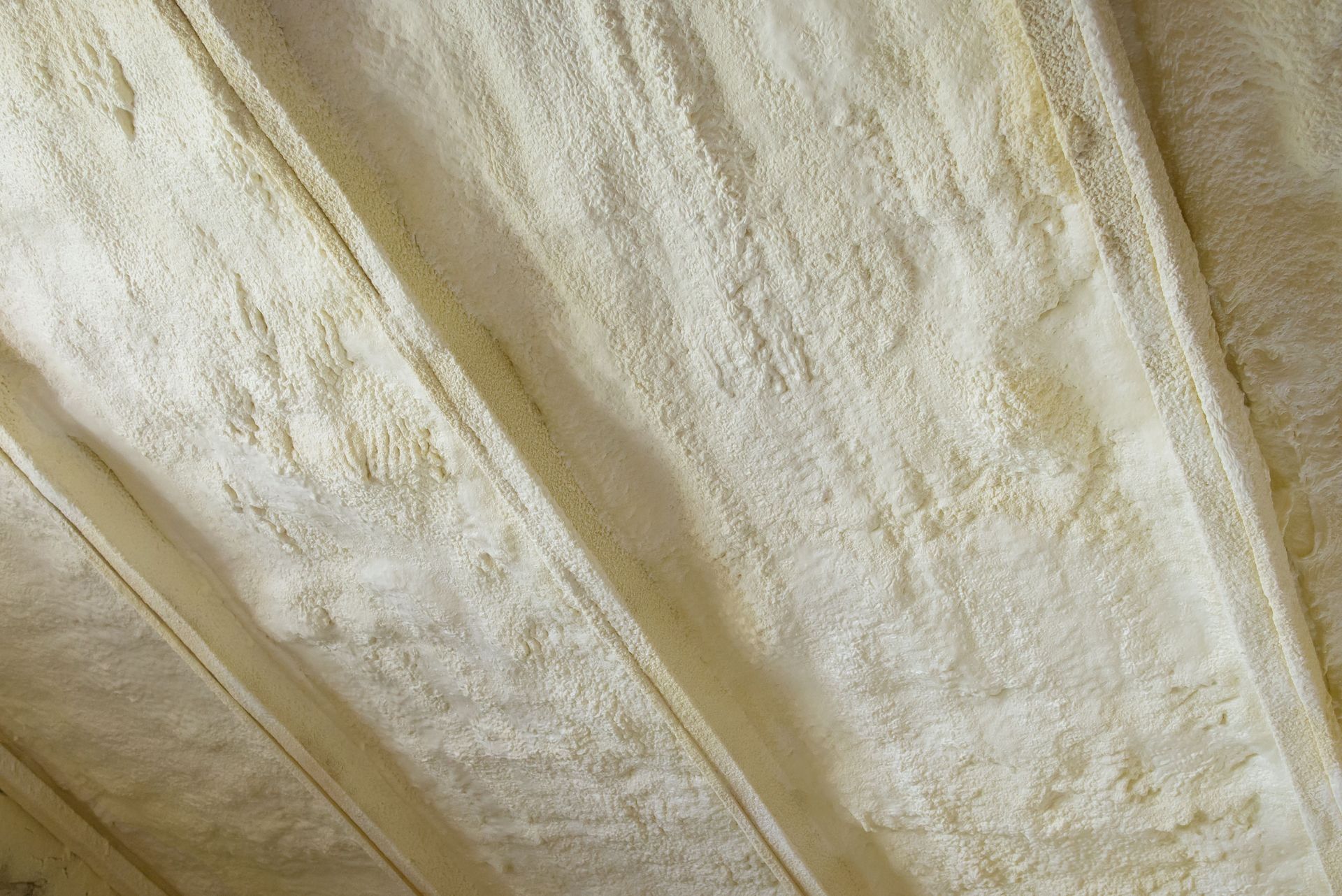
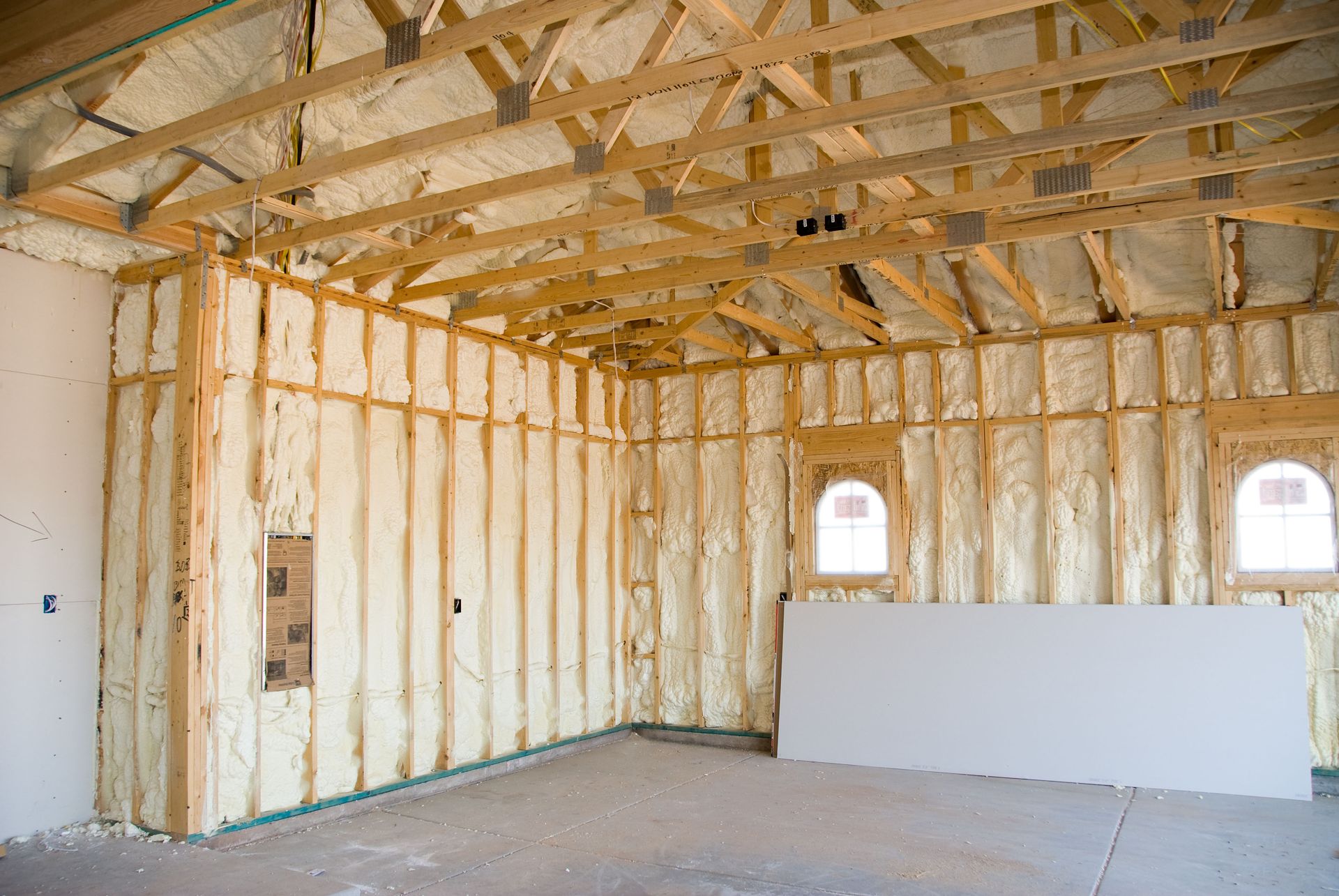
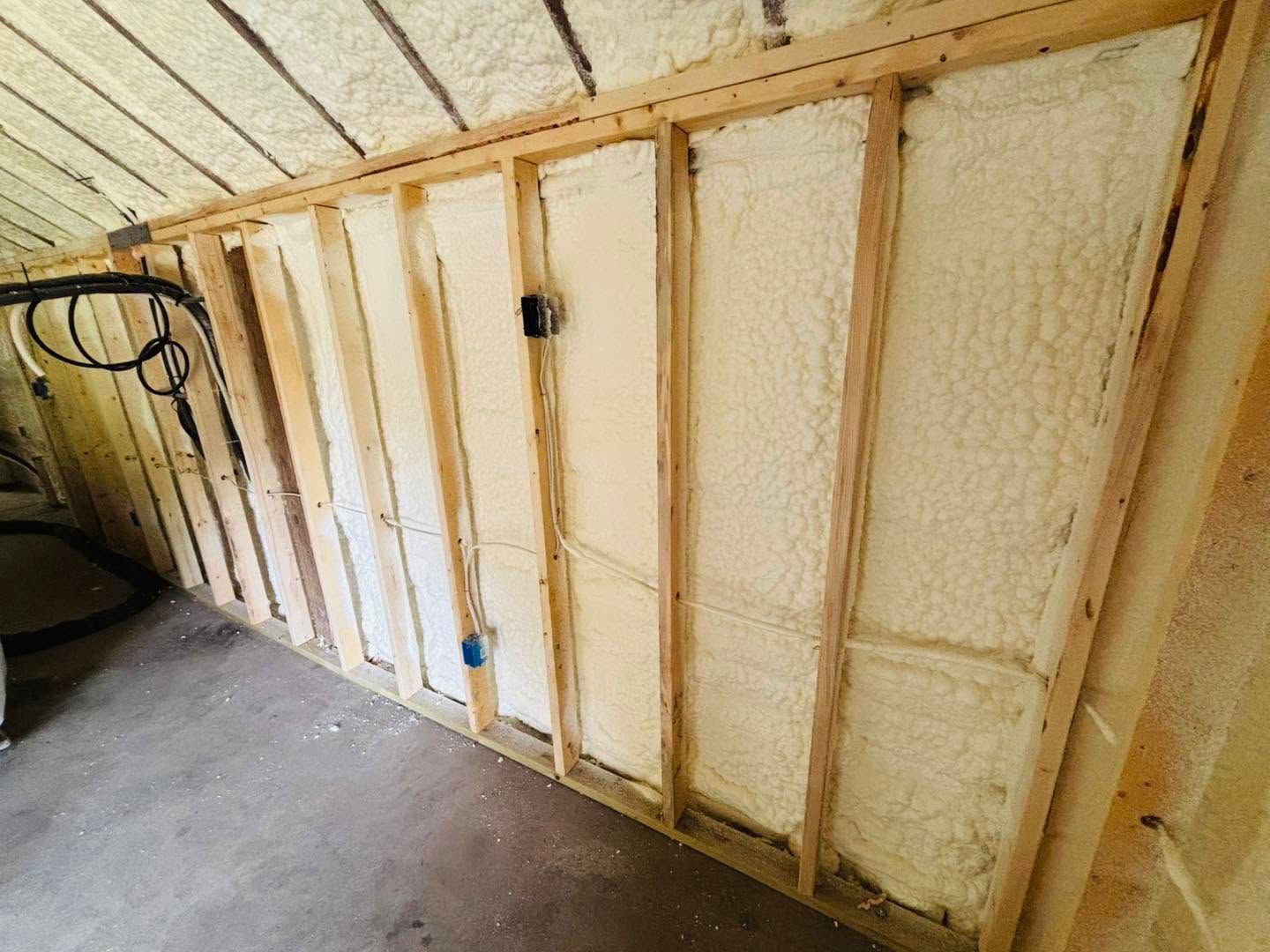
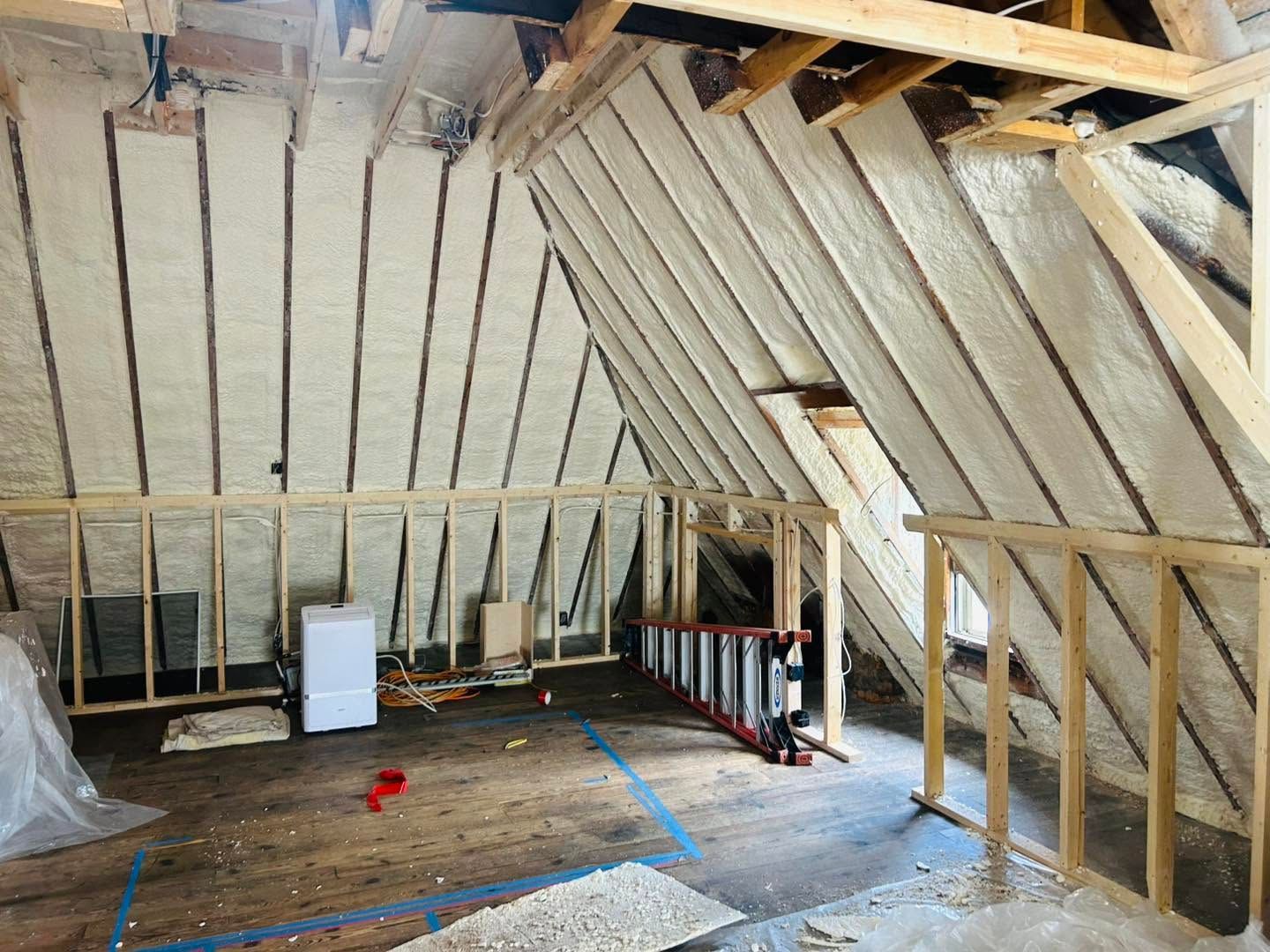
Understanding how spray foam insulation functions helps explain why they are so effective. The process begins with a liquid mixture of chemicals that is sprayed onto surfaces such as walls, ceilings, or floors. Once applied, the mixture expands rapidly, forming a dense foam that adheres to the surrounding structure.
This expansion is what sets spray foam insulation apart from other materials. As the foam grows, it fills even the smallest gaps and irregular spaces that traditional insulation often misses. The result is a continuous barrier that blocks air movement and enhances thermal resistance.
The effectiveness of spray foam insulation lies in its ability to combine insulation and air sealing into a single application. Traditional insulation methods typically require separate steps to address air leaks, but spray foam accomplishes both simultaneously. This dual function leads to improved energy performance and reduced utility costs.
Another important aspect is the foam’s cellular structure. Depending on the type, the cells can either be open or closed, each offering different levels of density and insulation value. This versatility allows spray foam insulation to be tailored to specific building needs, whether it’s maximizing energy efficiency or adding structural strength.
Are There Different Types of Spray Foam Insulation?
There are two main types of spray foam insulation, each designed for different applications and performance goals. Understanding these options can help property owners make informed decisions based on their specific needs.
Open-cell spray foam is lighter and less dense. It expands significantly upon application, making it ideal for filling large cavities and hard-to-reach spaces. This type of spray foam insulation is often used in interior walls and ceilings where soundproofing and flexibility are important. While it provides excellent air sealing, it has a lower insulation value compared to its counterpart.
Closed-cell spray foam, on the other hand, is much denser and offers a higher level of insulation. It forms a rigid structure that not only insulates but also adds strength to walls and roofs. Closed-cell spray foam insulation is commonly used in areas that require a moisture barrier, such as basements, crawl spaces, and exterior walls.
Each type of spray foam insulation has its advantages, and the choice depends on factors such as climate, budget, and the specific requirements of the building. In some cases, a combination of both types may be used to achieve optimal results.
Is Spray Foam Insulation Environmentally Friendly?
Environmental considerations play a significant role in the growing popularity of spray foam insulation. One of the most compelling benefits is their ability to reduce energy consumption. By creating an airtight seal, these materials help buildings maintain stable temperatures, which in turn lowers the demand for heating and cooling.
This reduction in energy use has a direct impact on carbon emissions. According to the Insulation Institute, even insulating just a small portion of homes can lead to substantial environmental benefits. In fact, the energy saved by insulating only 1% of homes across North America is comparable to eliminating the need to produce 36 billion plastic bottles annually. This highlights the broader environmental impact that spray foam insulation can have when adopted on a larger scale.
Another environmental advantage is the longevity of spray foam insulation. Because they do not need to be replaced as frequently as traditional materials, there is less waste generated over time. This durability contributes to a more sustainable building lifecycle.
However, it is also important to consider the materials used in the production of spray foam. Advances in technology have led to the development of more eco-friendly formulations with reduced environmental impact. Many manufacturers are now focusing on creating products with lower emissions and safer chemical compositions, making spray foam insulation an increasingly responsible choice.
What Are the Costs Associated With Spray Foam Insulation?
Cost is often a major factor when deciding whether to invest in spray foam insulation. At first glance, the upfront expense can be higher than traditional insulation options. The materials themselves, along with the specialized equipment and professional installation required, contribute to the initial cost.
Despite this, it is important to look at the bigger financial picture. Spray foam insulation can lead to significant savings over time by reducing energy bills. The improved efficiency of heating and cooling systems means less energy is required to maintain comfortable indoor temperatures.
Maintenance costs are also lower with spray foam insulation. Because they are durable and resistant to moisture and pests, there is less need for repairs or replacements. This long-term reliability can offset the higher initial investment.
In addition, spray foam insulation can increase property value. Energy-efficient homes are highly desirable in today’s market, and buyers are often willing to pay more for properties with modern insulation solutions. This added value can make spray foam a worthwhile investment for homeowners planning to sell in the future.
While the exact cost will vary depending on factors such as the size of the project and the type of foam used, many property owners find that the long-term benefits outweigh the initial expense.
The rising popularity of spray foam insulation reflects a broader shift toward energy efficiency, sustainability, and improved building performance. From their ability to create airtight seals to their long-lasting durability, these advanced materials offer a range of benefits that traditional insulation methods cannot match.
As more homeowners and businesses recognize the value of reducing energy consumption and enhancing indoor comfort,
spray foam insulation is likely to remain a key player in modern construction and renovation. By understanding their benefits, functionality, and costs, property owners can make informed decisions that support both their financial goals and environmental responsibilities. If you want to add comfort and energy efficiency to your home with spray foam insulation, reach out to the team at Top Notch Insulating today!