February 27, 2026
As energy efficiency, comfort, and indoor air quality become increasingly vital concerns for homeowners, recognizing these signs early can lead to significant improvements. Spray foam insulation is known for its superior performance in sealing gaps and providing consistent temperature control. With its unique ability to adapt and fill spaces, it surpasses traditional insulation methods in many respects. This article will delve into four specific indicators that suggest spray foam might be the optimal choice for your home.
1. Fluctuating Indoor Temperatures
Maintaining a consistent indoor temperature is crucial for comfort and energy efficiency. Fluctuating temperatures are often due to drafts and cold spots resulting from inadequate insulation. When certain areas of your home feel noticeably colder or warmer, it disrupts comfort levels and strains your HVAC system. These inconsistencies not only impact comfort but also increase energy consumption, leading to higher utility bills. Proper insulation, particularly spray foam, plays a vital role in eliminating these cold spots and stabilizing your home's climate.
The causes of drafts often stem from poor insulation, allowing external air to infiltrate through small cracks and open areas. Temperature inconsistencies can also be exacerbated by structural differences in rooms and varying exposure to sunlight. Drafts can make heating and cooling efforts inefficient, as the conditioned air escapes and external air infiltrates. To combat these issues, spray foam fills gaps and creates an impervious barrier, maintaining a consistent indoor temperature and reducing energy consumption. Before and after case studies of homes demonstrate significant improvements in temperature stability with spray foam.
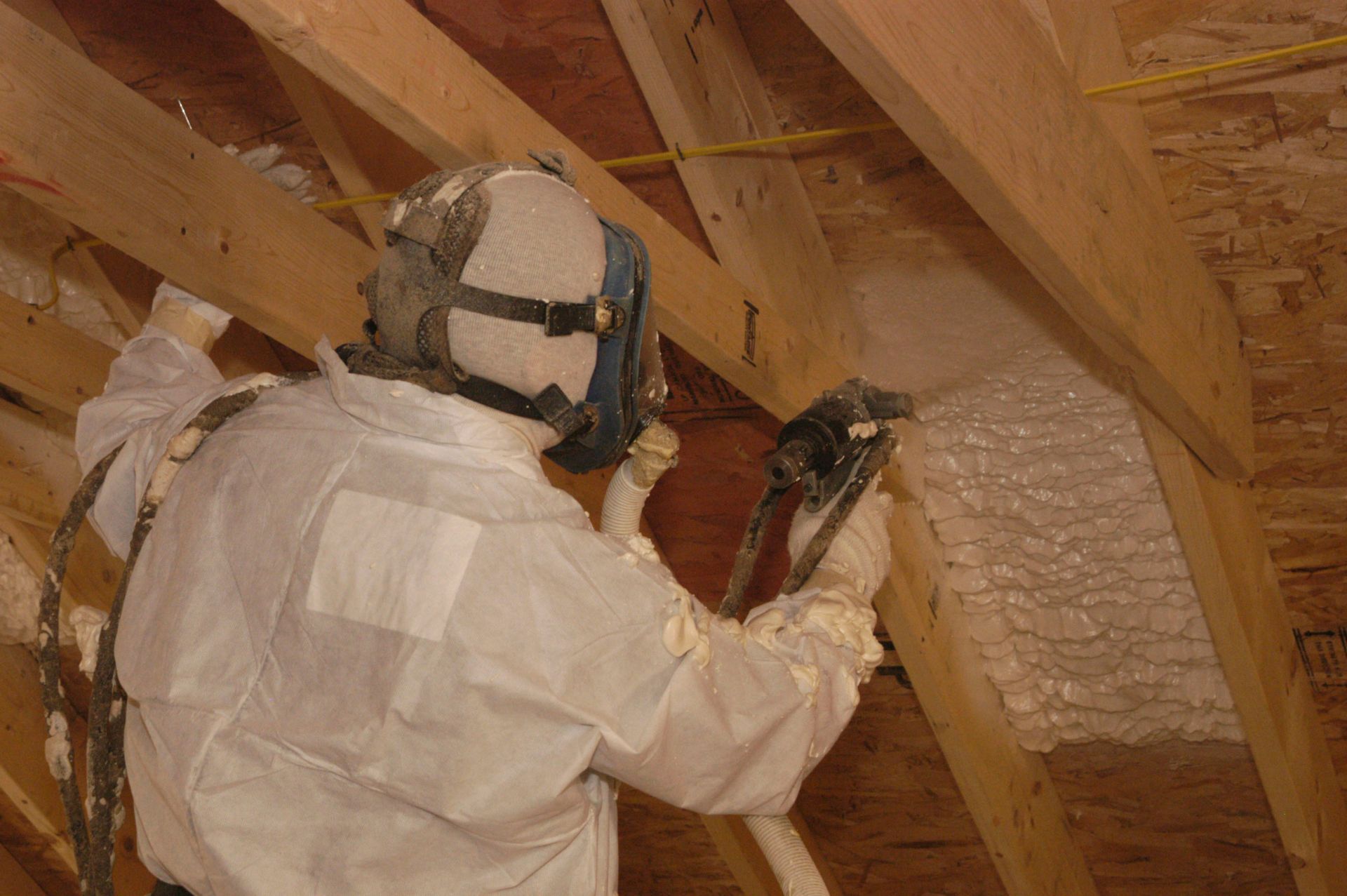
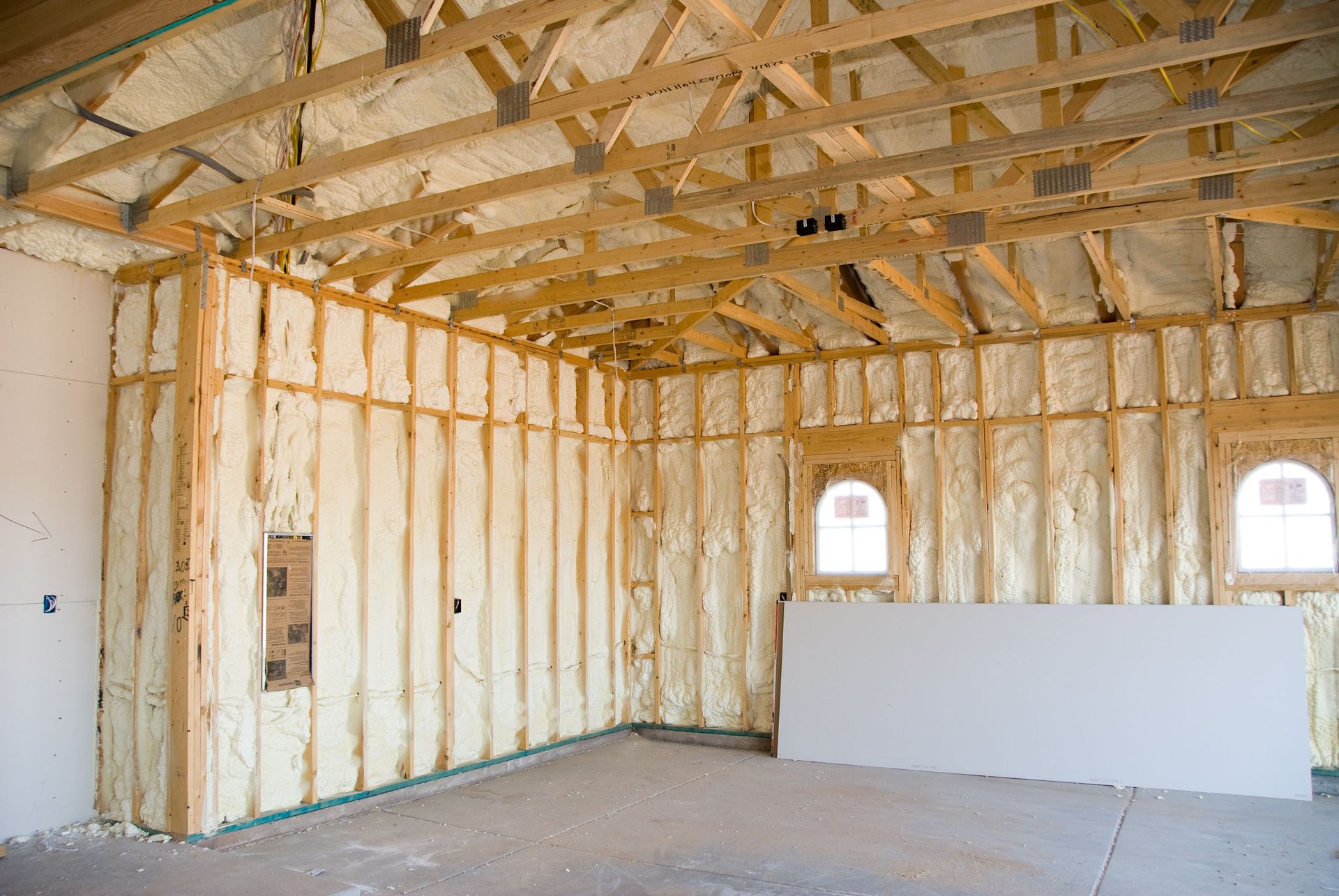
Spray foam insulation offers a comprehensive solution by sealing off potential leaks and providing consistent thermal resistance. Its expanding properties allow it to cover irregular surfaces, unlike traditional insulation that might leave gaps. Case studies and professional testimonials highlight the transformative impact of installing spray foam insulation. Homeowners report an immediate improvement in indoor comfort and a noticeable reduction in energy bills. According to the Insulation Institute, 89% of single-family homes in the U.S. are under-insulated, making them susceptible to temperature fluctuations that spray foam can effectively help mitigate.
2. Unusually High Energy Bills
One of the most apparent signs that your home may need better insulation is an increase in your energy bills. If you've noticed an unexpected rise in costs without corresponding seasonal changes, under-insulation could be the culprit. Many households pay higher energy bills due to inefficiencies created by poor insulation. The amount of energy required to maintain a comfortable home can escalate, especially when air leakage is present. Analyzing energy usage in homes with traditional insulation frequently reveals losses that could be minimized by upgrading to options like spray foam.
Energy leakage often results from inadequate seals around windows, doors, attic spaces, and other structural weaknesses. This loss directly translates to higher heating and cooling costs as your HVAC system compensates for escaping air. Traditional insulation materials, such as fiberglass or cellulose, may settle or leave gaps, further exacerbating energy loss. Investing in spray foam insulation, which expands to fill spaces tightly, can yield significant financial benefits over time by reducing energy requirements. Homeowners who have made this investment typically report substantial savings on their energy bills.
Personal testimonials underscore the financial advantages of spray foam, with many users sharing stories of decreased utility bills and improved home temperatures. Real families attest to the return on investment that spray foam provides. In addition, transitioning to spray foam promises enhanced energy efficiency for homeowners. Ultimately, this transition not only saves money but also contributes to a more sustainable living environment. Reducing energy dependence by improving insulation results in tangible benefits for both homeowners and the planet.
3. Visible Water Leaks and Moisture Issues
Water leaks and moisture problems are clear indicators that your insulation is not performing adequately. Stains on walls, ceilings, or floors often signal ongoing moisture issues that can lead to structural damage or mold growth. Moisture problems typically arise from insulation failures, especially in spaces where traditional materials do not provide complete coverage. Spray foam provides an effective barrier against water by creating an airtight and water-resistant seal. Identifying such issues early is crucial, as prolonged exposure to moisture can significantly compromise your home's structural integrity.
Ignoring moisture problems can have serious consequences, including facilitating mold growth and deteriorating structural components such as wood and drywall. The presence of moisture creates an optimal environment for mold spores, posing health risks to residents due to potential allergens and respiratory issues. Addressing insulation failure can prevent the development of these problems. Traditional insulation materials can absorb moisture, reducing their effectiveness and leading to potential rot or mold. Spray foam, on the other hand, resists moisture infiltration, offering superior protection and enhanced longevity.
Experts agree that managing moisture is essential not just for stability but also for preventing mold and improving indoor air quality. Spray foam insulation helps to seal cracks and gaps where moisture may enter, protecting against water damage. For homes in areas prone to high humidity or rainfall, the shift to spray foam can significantly enhance moisture control. Recommendations from professionals emphasize the importance of inspecting and updating insulation to create a healthier living environment. By preventing leaks and moisture issues upfront, homeowners can avoid costly repairs and ensure lasting comfort.
4. Increased Noise Levels
Noise pollution can cause uncomfortable living conditions and indicate that your insulation is insufficient. The transmission of sound through walls and ceilings often stems from gaps or poorly insulated areas, allowing noise to travel easily. The science of sound transmission reveals that air gaps and insufficient materials contribute to high noise levels, diminishing home peace. Insulation plays a critical role in soundproofing by absorbing and blocking sound waves, minimizing external noise disturbances. The effectiveness of insulating materials in sound reduction is a crucial consideration for maintaining a quiet home environment.
Insufficient insulation directly contributes to noise pollution, as it enables sound to penetrate through windows, walls, and other structural components. Spray foam helps address these issues by providing a dense, continuous barrier that dampens sound transmission. It substantially reduces noise levels from traffic, neighbors, or household activity. Different insulation types vary in their soundproofing capabilities, with spray foam often outperforming fiber-based insulation. By investing in spray foam, homeowners can effectively reduce noise intrusion and create a more serene indoor environment.
Residents from noisy neighborhoods who upgraded to spray foam often experience a significant reduction in indoor noise levels. Testimonials highlight dramatic changes from disruptive environments to more tranquil living spaces. Users appreciate the enhanced comfort of a quieter home, free from invasive outside sounds. Considering the prevalence of under-insulated homes, reducing noise through effective insulation becomes increasingly important. The shift to spray foam supports not only thermal efficiency but also elevates overall home quality by ensuring a peaceful atmosphere.
Understanding the signs that your home requires spray foam insulation is crucial for maintaining energy efficiency, home comfort, and overall quality of life. By addressing these issues with the right insulation solution, you can not only enhance your living conditions but also make a sound investment for the future. The adoption of spray foam insulation offers a viable path towards improved thermal resistance, reduced energy bills, and heightened comfort. As modern homeowners prioritize sustainability and efficiency, spray foam stands out as a formidable choice in achieving these goals. If you're a homeowner interested in spray foam insulation, contact Top Notch Insulating today!