February 27, 2026
Your home should feel comfortable in every season, but many homeowners deal with drafts, uneven temperatures, and rising energy bills. These issues are often linked to outdated or insufficient insulation. When insulation underperforms, comfort and efficiency both declines.
Working with a professional insulation company can improve overall home performance. Insulation plays a key role in energy savings, air quality, and temperature control. Below are ten ways the right insulation strategy can improve comfort and reduce long-term costs.
1. Reduce Drafts Throughout Living Spaces
Drafts are one of the most common complaints homeowners have. Cold air sneaks in during winter, while hot air infiltrates during summer. These air leaks often occur around attics, crawl spaces, wall cavities, and rim joists. Proper insulation combined with air sealing addresses these weak points.
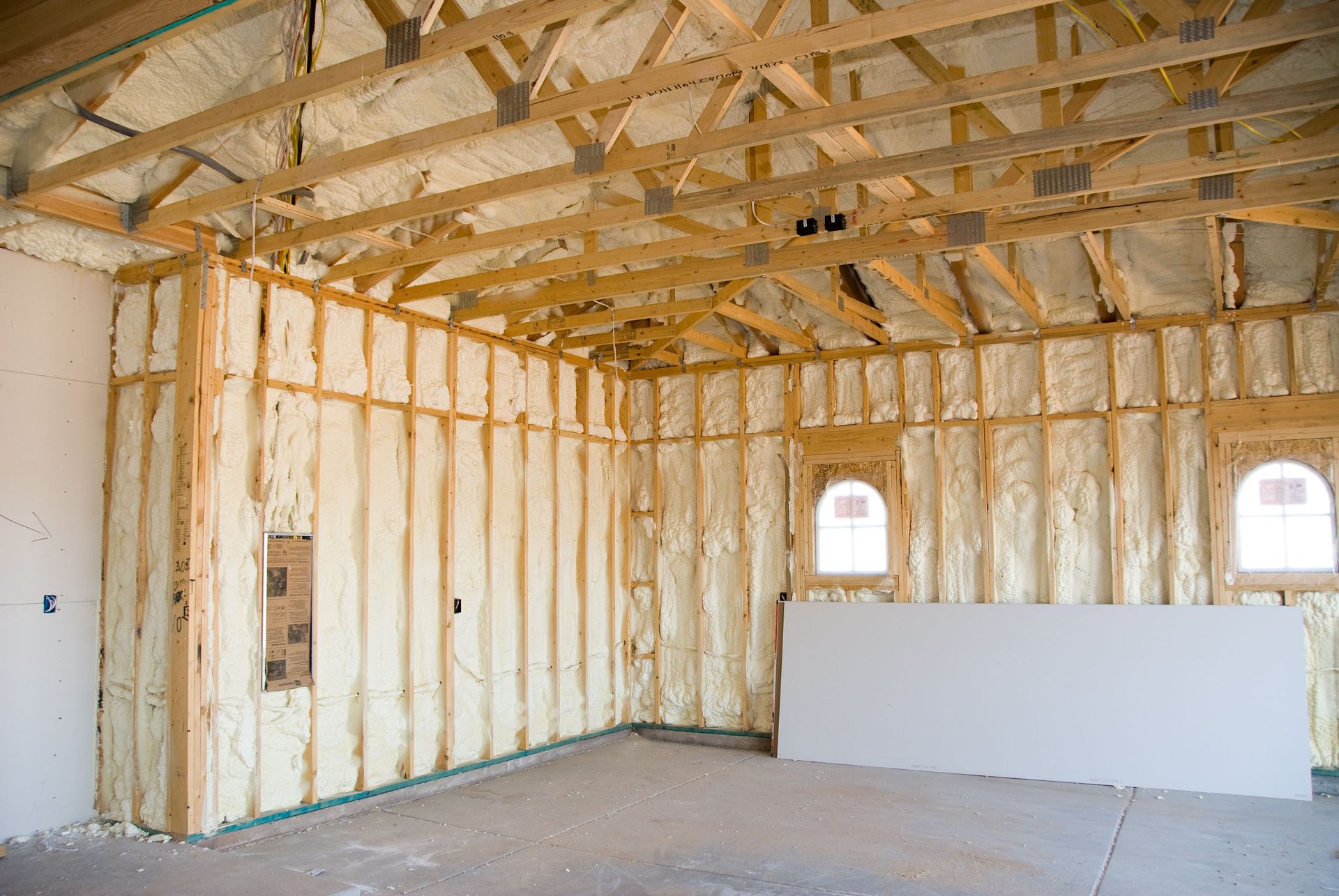
A professional insulation company identifies gaps and voids that may not be visible to the naked eye. Specialized tools and experience help pinpoint areas where conditioned air escapes. By sealing air leaks and installing insulation at appropriate R-values, conditioned air stays inside where it belongs. This helps eliminate the uncomfortable cold spots near windows, doors, and exterior walls.
When drafts are minimized, rooms feel more stable and consistent. Furniture placement becomes more flexible because certain corners are no longer noticeably colder or warmer. You no longer need to rely on space heaters, extra blankets, or constantly adjusting the thermostat to stay comfortable.
2. Stabilize Indoor Temperatures Year-Round
Uneven temperatures between floors or rooms often signal insulation problems. Upper levels may overheat in the summer while basements remain chilly. These imbalances create daily frustration and ongoing thermostat adjustments. Insulation slows heat transfer, keeping indoor temperatures balanced throughout the home.
According to the U.S. Environmental Protection Agency, homeowners can save 15% on average heating and cooling costs by adding insulation and sealing air leaks in particular areas of their home. This improvement happens because insulation helps maintain consistent indoor conditions. Instead of your HVAC system cycling constantly to compensate for heat loss or gain, it operates more efficiently and predictably.
A knowledgeable insulation company evaluates attics, walls, and crawl spaces to determine where improvements will have the greatest impact. The result is a home that feels steady and comfortable in every season.
3. Lower Monthly Energy Bills
Energy costs continue to rise, making efficiency more important than ever. When insulation performs properly, your heating and cooling system does not have to work as hard. Reduced runtime translates directly into lower utility bills. This makes insulation one of the most practical upgrades for cost-conscious homeowners.
Heat naturally moves from warmer areas to cooler ones. In winter, warm indoor air tries to escape outside. In summer, heat pushes inward and competes with your air conditioning system. Insulation acts as a barrier, slowing that movement and helping your home maintain its set temperature longer.
Over time, the savings can offset the initial investment in upgraded insulation. Many homeowners find that improvements pay for themselves through consistent reductions in monthly energy expenses. A professional insulation company can also recommend areas that offer the fastest return on investment.
4. Improve HVAC System Efficiency
Your HVAC system is one of the most expensive components in your home. When insulation is insufficient, the system runs longer and cycles more frequently to keep up with temperature demands. This extra strain accelerates wear and tear and increases the risk of breakdowns.
By improving thermal resistance throughout the home, insulation allows the HVAC system to operate more efficiently. Equipment experiences less stress, potentially extending its lifespan and reducing the likelihood of unexpected repairs. This can delay costly replacements and reduce maintenance expenses.
An experienced insulation company understands how insulation and HVAC systems work together. By aligning insulation upgrades with system capacity, homeowners can maximize overall performance. Proper insulation supports smoother airflow and more consistent system operation.
5. Reduce Indoor Noise Levels
Insulation does more than regulate temperature. It also helps dampen sound transfer between rooms and from outside sources. Walls, ceilings, and floors with proper insulation reduce noise from outside traffic, neighbors, and household activity.
This benefit becomes especially noticeable in multistory homes or homes with open floor plans. Bedrooms feel quieter, home offices become more productive, and entertainment spaces remain contained. Sound reduction contributes to a calmer daily environment.
Enhanced sound control contributes to overall comfort. A quieter environment can improve sleep quality and reduce daily stress. Over time, this added peace can significantly enhance how enjoyable your home feels.
6. Enhance Indoor Air Quality
Air leaks do not just bring in temperature fluctuations. They also introduce dust, allergens, and pollutants from attics and crawl spaces. When gaps remain unsealed, unfiltered air circulates throughout the home and affects breathing comfort.
Proper insulation paired with air sealing reduces this infiltration. By limiting uncontrolled airflow, your HVAC filtration system can function more effectively. Cleaner indoor air supports a healthier living space for families.
A professional insulation company can assess ventilation patterns and recommend insulation materials that support both thermal performance and healthier indoor air conditions. Improving insulation can complement other indoor air quality efforts, such as upgraded filters or dehumidifiers.
7. Prevent Moisture and Condensation Issues
Moisture problems often stem from temperature differences between interior and exterior surfaces. When warm air meets cold surfaces, condensation forms and creates damp conditions. Over time, this moisture can lead to mold growth and structural damage.
Insulation helps control surface temperatures, reducing the likelihood of condensation inside walls or attics. Proper installation also supports balanced humidity levels within the home. This can protect framing, drywall, and insulation materials.
Addressing insulation gaps early can prevent costly repairs related to water damage. It is far more economical to improve insulation now than to remediate mold or replace damaged framing later. Preventive upgrades often save significant money in the long run.
8. Increase Overall Home Value
Energy efficiency is a major selling point in today’s housing market. Buyers often look for homes with updated insulation and documented improvements in efficiency. Improved performance can make a property more attractive during resale.
When you invest in insulation upgrades, you are improving the home’s performance and long-term appeal. Prospective buyers recognize lower energy costs and enhanced comfort as valuable features. Efficient homes often stand out in competitive markets.
Working with a reputable insulation company also provides documentation and professional installation records that may strengthen resale value. This transparency can build buyer confidence and support pricing discussions.
9. Create a More Sustainable Home Environment
Reducing energy consumption benefits both homeowners and the environment. When your home uses less energy for heating and cooling, your overall carbon footprint decreases. Efficiency improvements contribute to broader sustainability goals.
Modern insulation materials are designed to provide long-lasting performance. Whether installed in attics, walls, or crawl spaces, high-quality insulation supports responsible energy use. Durable materials reduce the need for frequent replacements.
Homeowners who prioritize efficiency often find that insulation upgrades are one of the most impactful improvements they can make. Lower energy demand means fewer emissions associated with power generation. This creates a more environmentally responsible household.
10. Promote Long-Term Financial Stability
Insulation improvements support more than short-term savings. They promote stable energy costs over time and help protect against rising utility rates. By reducing energy waste and limiting strain on your HVAC system, insulation upgrades help prevent avoidable expenses. Fewer repairs and improved efficiency add meaningful long-term value.
Choosing the right team helps confirm materials are installed correctly and suited to your home. Professional guidance supports stronger performance and dependable returns. Comfort and efficiency work together. Proper insulation reduces drafts, balances temperatures, and supports lower energy bills.
If you are ready to improve your home’s comfort and reduce unnecessary energy costs, contact Top Notch Insulating today to learn how a professional insulation company can provide solutions that make a lasting difference.